
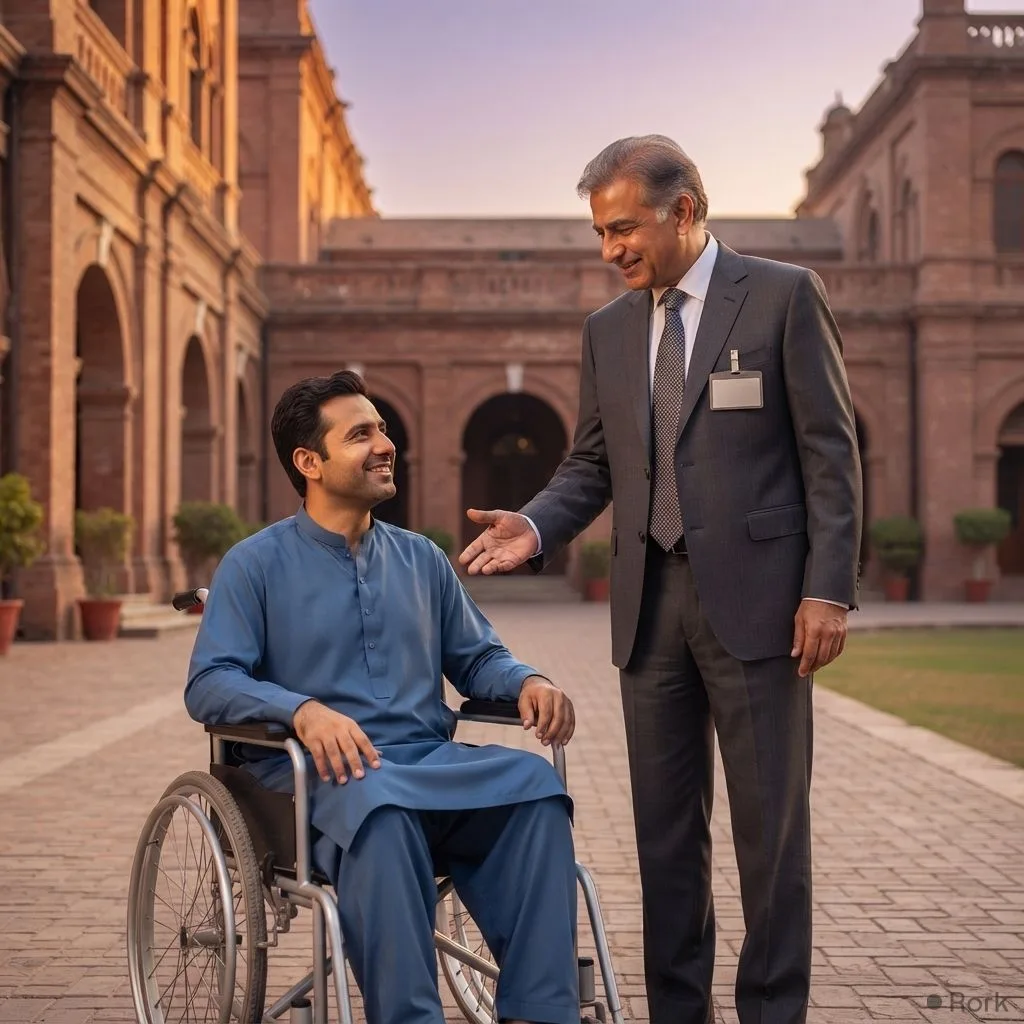
Lahore’s Deputy Commissioner, Capt (retd) Muhammad Ali Ijaz, had a post on X deleted on 30 September 2026 after it ignited a wave of criticism on social media for portraying his meeting with a differently‑abled resident as a charitable favour rather than a routine duty of public office.
The post, originally published by the DC’s official account, highlighted that Ijaz had left his office to meet the citizen and was framed as a special act of kindness. Netizens quickly accused the administration of using the encounter for self‑promotion, arguing that attending to the concerns of vulnerable constituents is a basic responsibility of any district officer. Within hours, the DC’s communication team removed the tweet, issuing a brief statement that the meeting was “a normal part of public service, not a charitable gesture.”
The episode underscores the heightened scrutiny Pakistani officials face in an increasingly vocal digital landscape. Social platforms have become a litmus test for how government agencies present their interactions with the public, especially when those interactions involve marginalized groups such as persons with disabilities. Critics contend that officials must avoid language that suggests extraordinary benevolence for tasks that are, by law, part of their mandate under the Punjab Local Government Act and the Constitution’s guarantee of equal treatment.
Deputy Commissioners in Pakistan act as the chief administrative officers of their districts, overseeing everything from land disputes to welfare delivery. When a senior bureaucrat publicly showcases a routine engagement, it can be perceived as an attempt to cultivate a personal brand, blurring the line between transparency and self‑aggrandizement. Analysts note that such missteps can erode public trust, particularly among communities that already feel neglected by state institutions.
The backlash also reflects broader debates about the role of social media in government communication. While many departments have adopted platforms like X and Facebook to disseminate information quickly, there is no standardized guidance on tone and framing. The Lahore DC’s experience may prompt provincial authorities to revisit internal protocols, ensuring that official posts emphasize service delivery without overstating the significance of ordinary duties.
In the wake of the removal, the DC’s office has not issued further comment, but the incident has reignited calls from civil‑society groups for clearer ethical guidelines governing the online presence of public servants. As Pakistan’s digital public sphere continues to expand, officials will likely face increasing pressure to balance openness with modesty, especially when engaging with vulnerable sections of society.