
Key points:
- U.S. forces destroyed two Iranian missile launchers on Larak Island in the Strait of Hormuz.
- Iran’s Islamic Revolutionary Guard Corps said it struck two U.S. air bases in Jordan in retaliation.
- Brent crude rose more than $1 a barrel on Monday, reflecting fears of a disruption to the world’s most crucial oil chokepoint.
- Washington announced it will use oil from Venezuela to top up its Strategic Petroleum Reserve (SPR).
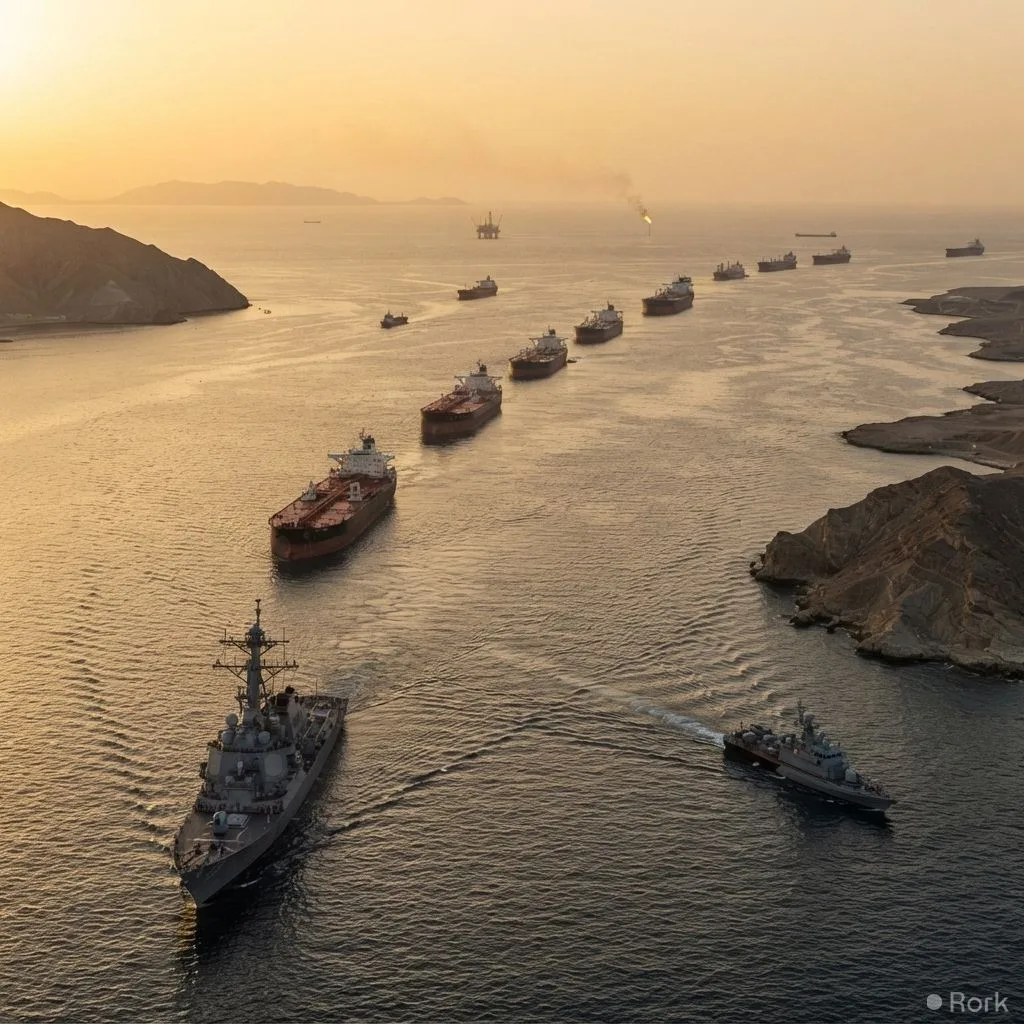
The latest exchange of fire marks the sharpest escalation between Washington and Tehran since the 2023 naval confrontations in the Persian Gulf. U.S. Navy jets, operating from carriers in the Arabian Sea, targeted two mobile launch platforms that Iran had positioned on Larak Island, a key node controlling traffic through the Strait of Hormuz. Within hours, the IRGC released footage purporting to show strikes on two U.S. Air Force installations in Jordan, a claim that the United States has not verified but which deepened concerns of a broader regional spill‑over.
Traders on the London and New York exchanges reacted swiftly, pushing Brent crude above $86 per barrel – a jump of more than $1 – and lifting spot prices for Asian benchmarks as well. Analysts warned that any interruption, however brief, to the narrow 21‑mile waterway could choke the flow of roughly 21 million barrels of oil a day, a volume that underpins global energy supplies and influences fuel costs everywhere, including Pakistan. The country, a net importer of crude, relies on steady, affordable shipments to keep domestic gasoline and diesel prices in check; even a modest price surge can strain the balance of payments and pressure the already volatile local fuel market.
In a parallel move, the U.S. Energy Department confirmed that oil from the Venezuelan government will be drawn to replenish the Strategic Petroleum Reserve, a decision aimed at mitigating the risk of a supply gap while the geopolitical situation remains fluid. The move underscores Washington’s intent to keep global oil markets supplied, but it also signals that the United States is prepared to tap politically sensitive sources if the Hormuz corridor faces further threats.
Energy strategists say the tit‑for‑tat attacks could herald a period of heightened volatility for oil traders. They urge close monitoring of diplomatic channels, warning that an escalation that shuts or narrows the Strait could trigger a sharp price spike, reverberating through Pakistan’s import bills, refinery margins, and ultimately the cost of transport for Pakistani consumers. Keeping the chokepoint open remains a priority for both regional stability and the economic health of oil‑dependent economies across South Asia.