
Key points:
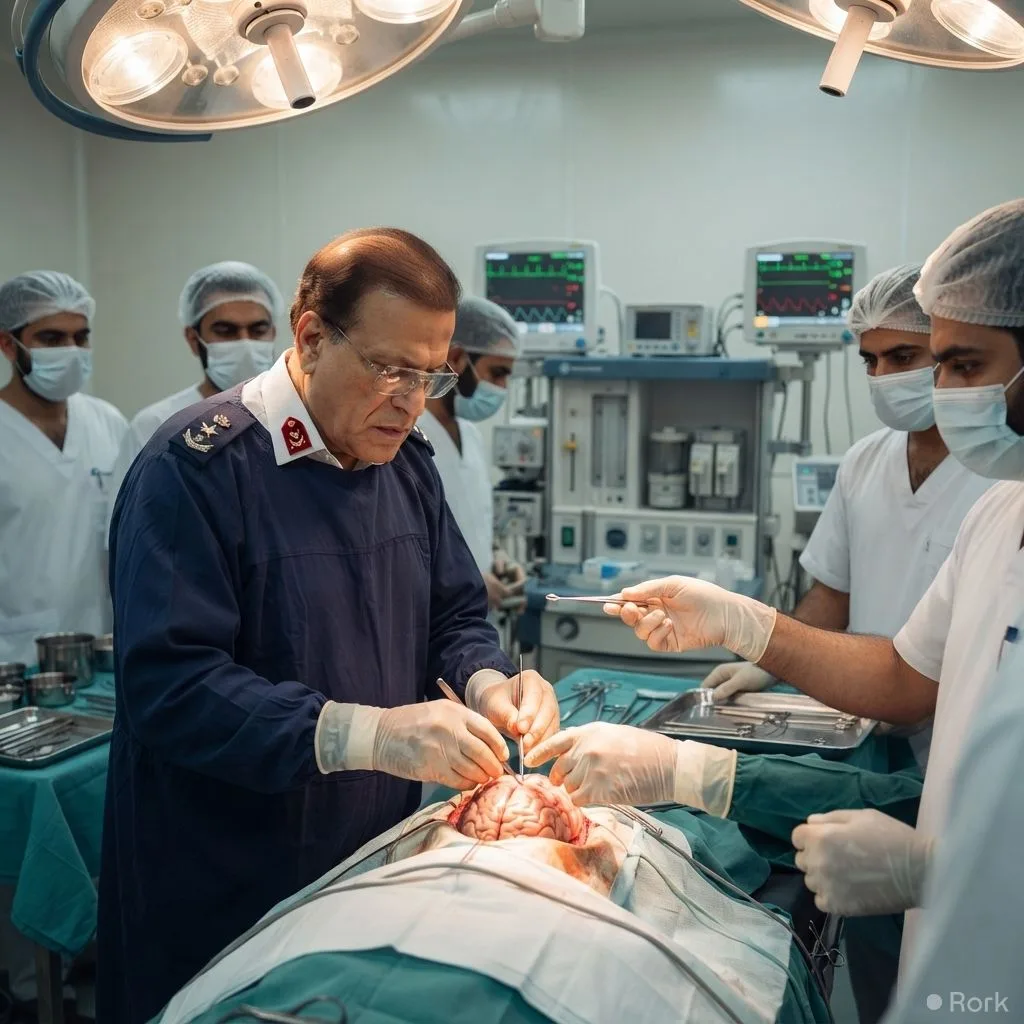
- A Pakistan Army medical team performed a complex craniotomy on 17‑year‑old Salman at the Pak‑China Friendship Hospital in Gwadar.
- The surgery was required after the teenager suffered severe head injuries in a traffic collision.
- The operation, lasting several hours, was successful and the patient is now in a stable recovery phase.
- The case highlights the expanding role of the armed forces in delivering advanced civilian healthcare to Balochistan’s remote areas.
A convoy of army medics rushed Salman to the Pak‑China Friendship Hospital after he was involved in a serious road accident on the coastal highway near Gwadar. Upon arrival, doctors assessed extensive cranial trauma, including skull fractures and swelling that threatened his life. The Army’s neurosurgical team, equipped with modern imaging and operative tools, initiated an emergency craniotomy to remove bone fragments, control intracranial pressure and repair damaged tissue.
The procedure, which lasted close to eight hours, was carried out by a multidisciplinary team of army surgeons, anesthesiologists and critical‑care nurses who worked in shifts to maintain the boy’s vital signs. Post‑operative scans confirmed that the critical damage had been successfully addressed, and Salman was transferred to the intensive care unit for close monitoring. Family members were briefed on his condition and expressed gratitude for the swift, expert care.
While civilian hospitals in much of Balochistan struggle with limited resources, the presence of well‑trained army medical units has become an increasingly vital safety net for the province’s population. The successful surgery not only saved a young life but also demonstrated the armed forces’ capacity to deliver high‑end medical interventions in regions that otherwise lack such facilities. Local officials and community leaders hailed the operation as evidence of the Army’s commitment to humanitarian service alongside its defence duties.
Salman’s recovery is expected to continue under the supervision of the hospital’s multidisciplinary team, with physiotherapy and follow‑up consultations planned over the coming weeks. The episode underscores the importance of rapid emergency response and modern surgical capabilities in remote settings, reinforcing calls for further investment in health infrastructure across the coastal belt of Pakistan.