
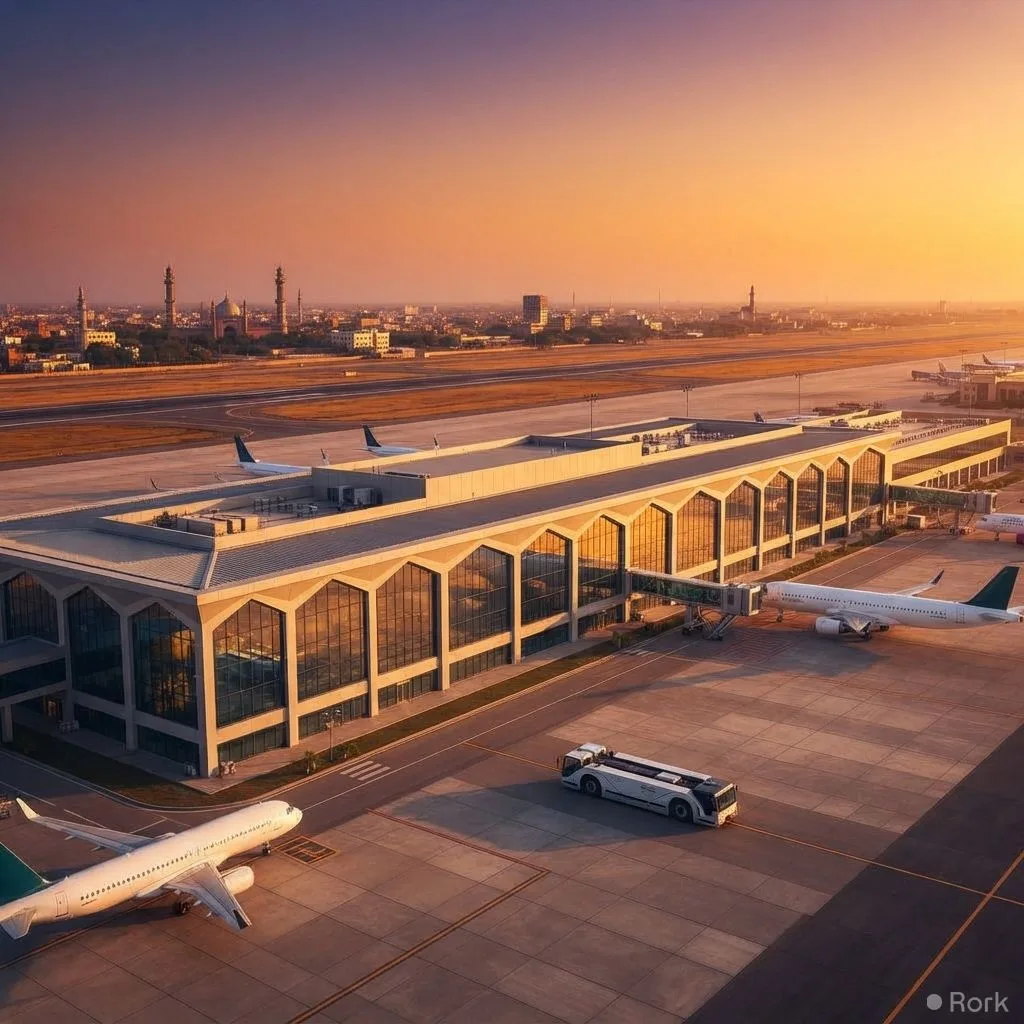
Hyderabad Airport, dormant for almost thirteen years, is slated to return to service as a secondary gateway for the southern region of Pakistan. The Civil Aviation Authority (CAA) has unveiled plans to refurbish the runway, install modern navigation aids and expand passenger facilities, positioning the airfield as an alternate landing hub for Karachi’s congested Jinnah International Airport.
Background
The airstrip in Hyderabad, located roughly 150 km east of Karachi, was originally built in the 1970s to serve domestic flights and occasional charter operations. By 2013, dwindling traffic and a lack of investment forced the airport’s closure, leaving the city’s residents reliant on road transport or the distant Karachi hub for air travel. Over the years, the idle runway fell into disrepair, and the terminal building was left unused, becoming a symbol of missed economic opportunities for Sindh’s second‑largest city.
In recent months, the CAA, together with the Sindh provincial government, has commissioned a feasibility study to assess the strategic value of reviving Hyderabad Airport. The study highlighted several pain points: Jinnah International’s runway utilization consistently exceeds 85 % during peak hours, and the absence of a nearby diversion airport complicates emergency response and weather‑related diversions. Moreover, the growing middle class in southern Sindh has generated a surge in demand for regional air services that currently go unmet.
The proposed upgrade package includes resurfacing the 2,500‑metre runway to meet international standards, installing an Instrument Landing System (ILS) and advanced air traffic management technology, and constructing a new terminal capable of handling 300‑400 passengers per hour. Funding is expected to come from a mix of federal budget allocations, public‑private partnerships and possible loans from international development banks focused on infrastructure development.
What it means
For travelers in Hyderabad and the surrounding districts, the revived airport promises a significant reduction in travel time to major domestic destinations. Instead of a three‑hour road journey to Karachi, passengers could board a short regional flight to Lahore, Islamabad or Peshawar, cutting total door‑to‑door time by up to 60 %. Business travelers, in particular, stand to benefit from quicker access to national and international markets, potentially attracting new investment to the industrial zones around Hyderabad.
Airlines operating in Pakistan may view the facility as an opportunity to launch low‑cost regional routes, relieving pressure on Jinnah International’s slots and diversifying their network. The presence of an alternate runway also enhances safety protocols; in adverse weather or in the event of an incident at Karachi, aircraft can be rerouted to Hyderabad without significant delay, aligning Pakistan’s aviation infrastructure with ICAO best‑practice recommendations.
Economically, the airport’s revival could spark a ripple effect across the local economy. Construction and subsequent airport operations are expected to create hundreds of jobs, from engineering and maintenance crews to retail and hospitality staff. Improved connectivity may also boost tourism to historic sites such as the ancient city of Thatta and the Makli necropolis, encouraging a modest but steady flow of domestic tourists.
What happens next
The CAA has set a target to complete the runway resurfacing and installation of navigation equipment by the end of 2027, followed by a phased rollout of passenger services in early 2028. A tender process for the terminal upgrade is expected to open within the next quarter, inviting bids from both local construction firms and multinational airport operators.
Stakeholders, including the Sindh Chamber of Commerce and local political representatives, are urging the federal government to fast‑track regulatory clearances and to provide incentives that attract airlines to the new hub. If these measures materialize, Hyderabad Airport could become a functional alternative to Karachi within the next two years, reshaping the aviation landscape of southern Pakistan and delivering tangible benefits to the region’s residents and businesses.