
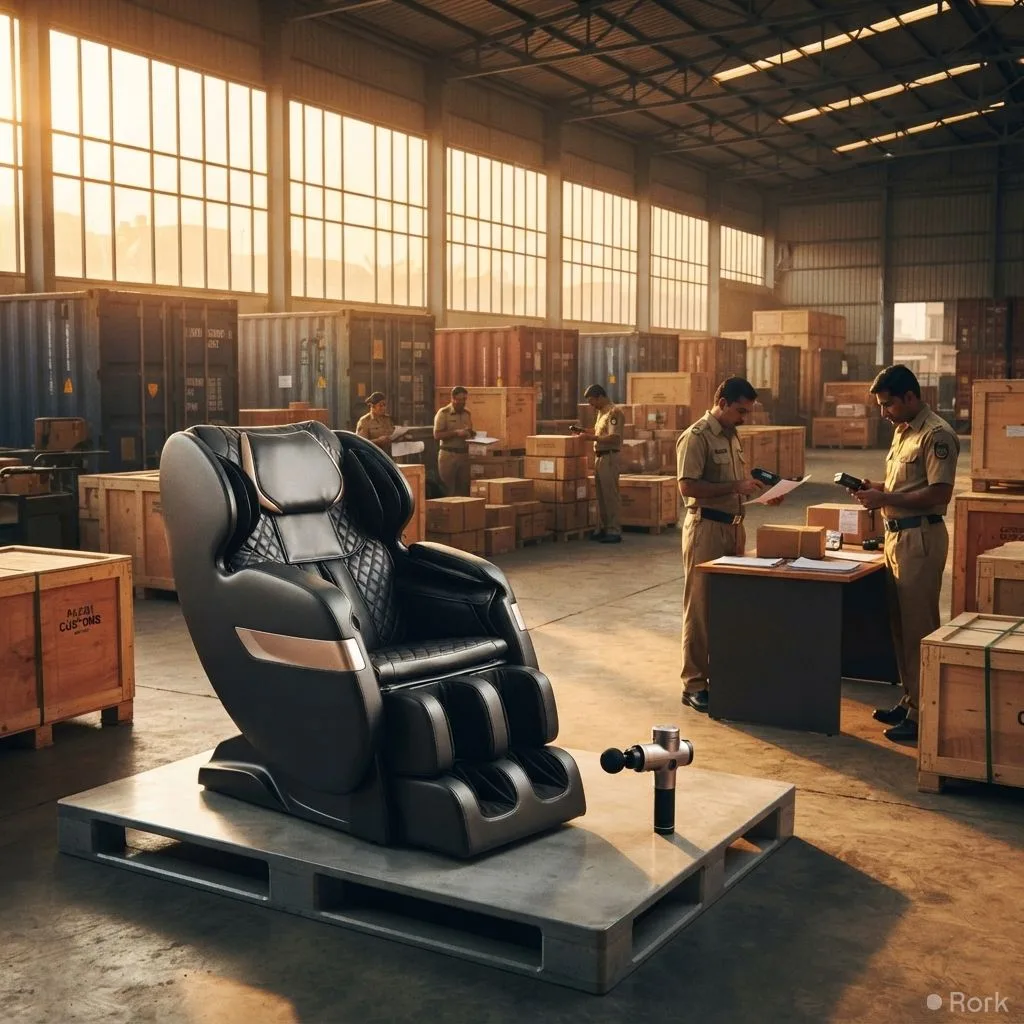
Import duties on massage chairs and handheld guns could rise by as much as 20 percent.
The Federal Board of Revenue has announced a revision of the customs valuation applied to imported massage equipment—including full‑body chairs, foot massagers and portable guns. By increasing the assessed value at the point of entry, the board will calculate higher customs duties and sales taxes, a move that directly translates into steeper retail prices for consumers across the country.
Industry analysts estimate that the new valuation framework will push retail prices up by roughly 10‑20 percent, depending on the product category and the tariff bracket it falls into. For shoppers accustomed to buying premium wellness gear online or at specialty stores in Karachi, Lahore and Islamabad, the added cost could mean postponing purchases or seeking cheaper, possibly lower‑quality alternatives from the gray market.
Local distributors, who already operate on thin margins, face a tighter profit squeeze. Many rely on bulk imports from China, the United States and Europe, and the higher duty burden may force them either to absorb part of the increase—risking further erosion of margins—or to pass the full cost onto retailers and, ultimately, end‑users. The shift could also encourage some firms to explore assembling parts locally, though the sector lacks a mature domestic manufacturing base at present.
The valuation hike is part of a broader fiscal strategy aimed at boosting government revenue from non‑essential luxury imports. In recent years, Pakistan has tightened tax enforcement on high‑value consumer goods, seeking to broaden the tax net while curbing import‑related foreign‑exchange outflows. The FBR’s focus on wellness equipment reflects its categorisation of such items as discretionary rather than essential.
Consumers who had planned to upgrade their home‑wellness setups should now factor in the higher cost and may consider waiting for promotional periods or exploring locally‑made alternatives, such as manual massagers or low‑tech ergonomic furniture, until the market adjusts to the new duty regime.