
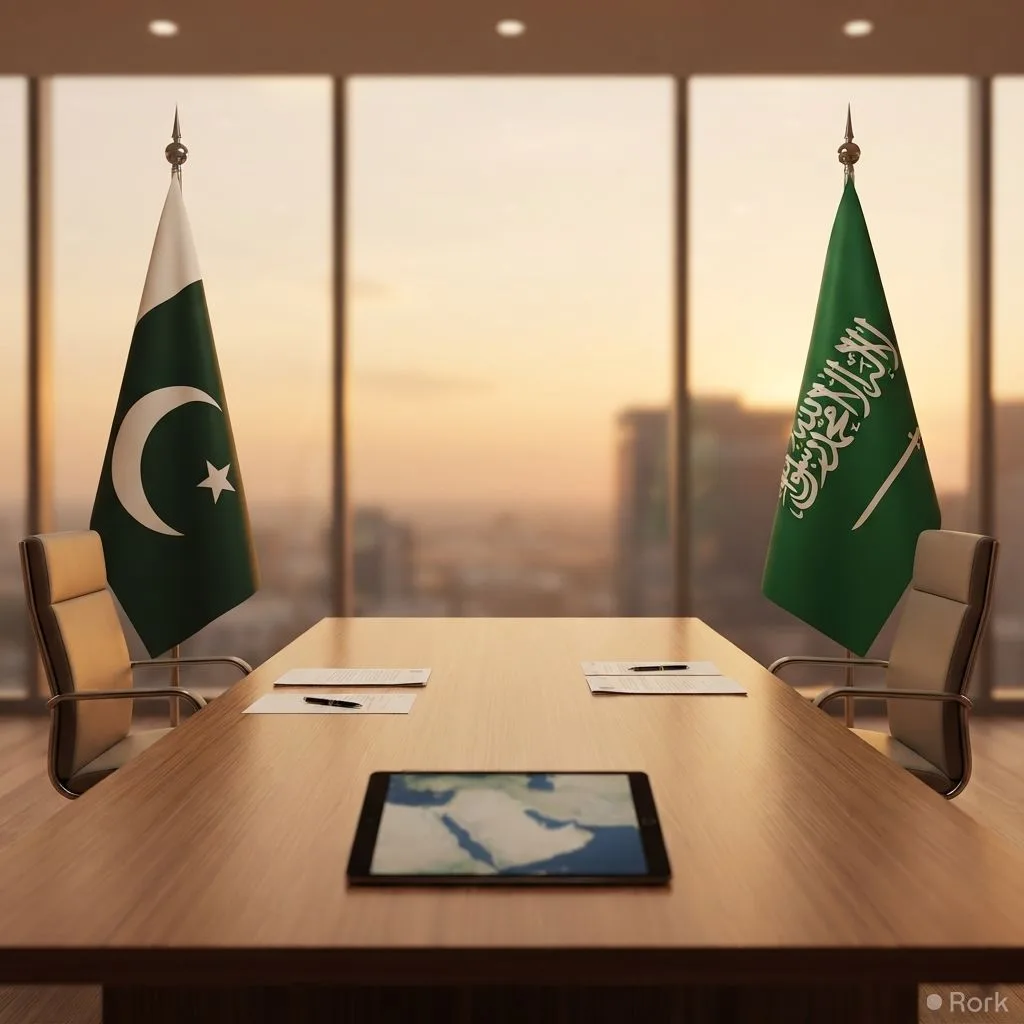
Prime Minister Shehbaz Sharif and Saudi Crown Prince Mohammed bin Salman have confirmed that they will stay in close contact and schedule a face‑to‑face meeting in the coming weeks, amid a surge in security concerns across the Middle East and South Asia. The agreement emerged from a recent telephone conversation in which both leaders stressed the urgency of coordinated diplomatic and defence measures.
Background
The two leaders’ dialogue comes at a time when the region is grappling with multiple flashpoints: the protracted conflict in Yemen, renewed border skirmishes between Iran‑aligned groups and Saudi‑backed forces, and heightened tensions over the Kashmir dispute that have drawn neighboring powers into a precarious balance. In response to these developments, Saudi Arabia and Pakistan revived the Makkah Defence Pact— a bilateral security framework first signed in 2022 that pledged mutual military assistance and intelligence sharing.
Since the pact’s inception, both countries have conducted joint naval drills in the Arabian Sea and exchanged senior defence officers to harmonise operational doctrines. However, the recent escalation of Iranian‑U.S. proxy confrontations and the possibility of a spill‑over into the Gulf have prompted Riyadh to seek deeper engagement with its longest‑standing ally in South Asia. For Pakistan, the renewed focus on the pact offers a conduit to diversify its strategic partnerships beyond traditional ties with the United States and China.
Domestically, the Sharif government has faced criticism over perceived gaps in its defence procurement strategy and the need for modernised equipment. The prospect of enhanced Saudi support—whether through joint training, technology transfer, or financial assistance—could address some of those shortcomings, especially as the Pakistan Armed Forces prepare for the upcoming annual defence exhibition in Karachi.
What it means for Pakistan
A high‑level meeting between Shehbaz Sharif and the Crown Prince is likely to translate into concrete steps such as expanded joint exercises, accelerated delivery of Saudi‑sponsored military hardware, and a possible increase in Saudi investment in Pakistan’s defence industry. This could reduce the current reliance on expensive Western and Chinese platforms, offering Islamabad more flexibility in budgeting and procurement.
In the economic sphere, Saudi Arabia has already signalled willingness to boost investment in Pakistani infrastructure projects, including energy and transport. Strengthened security cooperation may serve as a catalyst for a broader economic package, potentially accelerating the rollout of the China‑Pakistan Economic Corridor (CPEC) segments that intersect with Saudi‑funded initiatives.
For the civilian population, tighter coordination between the two states could enhance border security, particularly along the western frontier where illicit arms smuggling and cross‑border militancy have persisted. A more robust intelligence‑sharing mechanism may help Pakistani agencies pre‑empt extremist plots linked to regional dynamics, thereby improving overall internal stability.
What happens next
The exact agenda of the upcoming summit is being kept under wraps, but analysts expect discussions to centre on operationalizing the Makkah Defence Pact, finalising the terms of any joint procurement deals, and outlining a coordinated diplomatic approach to the crises in Yemen and the broader Gulf. Observers will also be watching for any statements on the Kashmir issue, as Saudi Arabia’s stance could influence international mediation efforts.
Both Islamabad and Riyadh have indicated that the meeting will be followed by a series of working-level talks involving defence ministers, foreign secretaries and senior military officials. These subsequent engagements will determine the pace at which the announced cooperation moves from rhetoric to actionable projects, shaping Pakistan’s strategic posture for the foreseeable future.