
Pakistan’s Deputy Prime Minister Shehbaz Dar warned that turmoil in the Strait of Hormuz could push energy prices higher for Pakistan and the wider region.
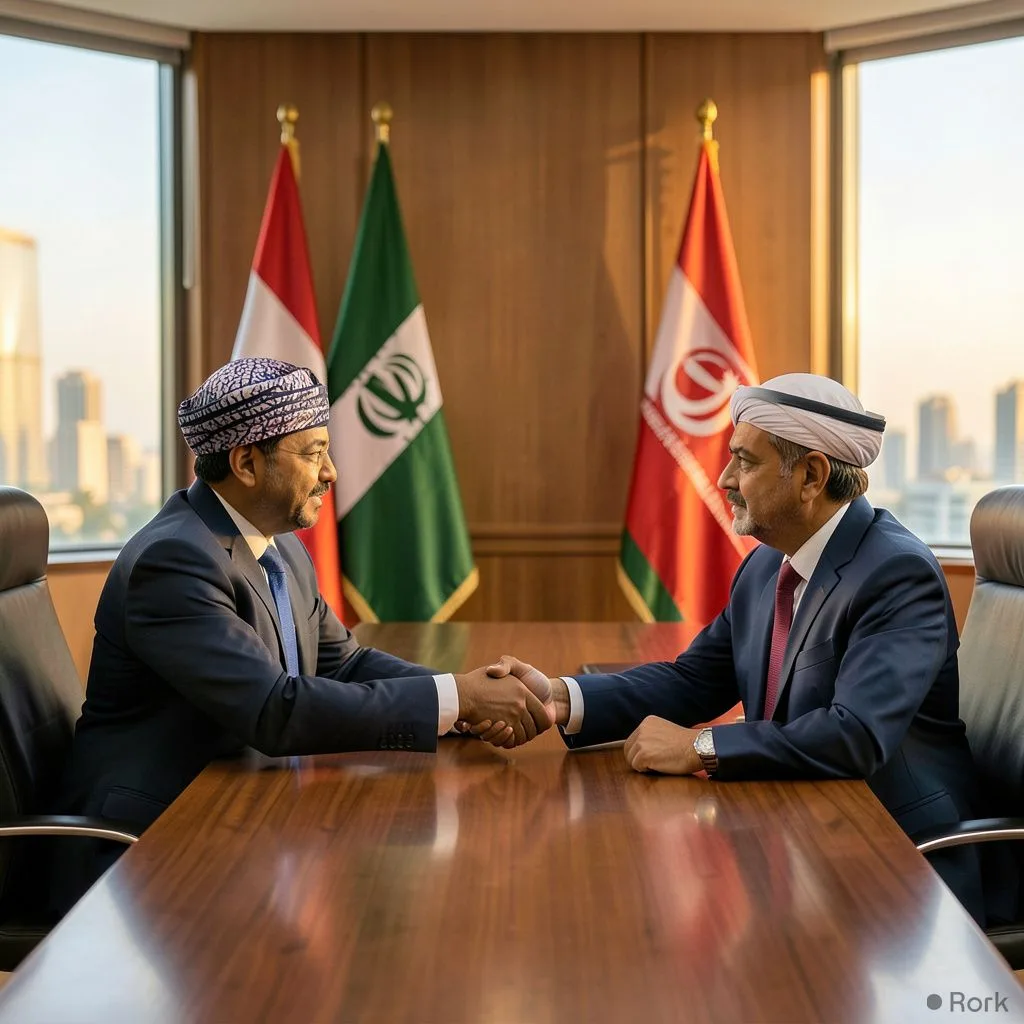
In Muscat, Dar and Omani Foreign Minister Sayyid Badr bin Hamad held a two‑hour bilateral dialogue that placed three flashpoints at the centre of the discussion: the strategic choke‑point of Hormuz, the humanitarian crisis in Gaza and the contested status of Indian‑occupied Jammu and Kashmir (IIOJK). Both ministers agreed that unchecked tensions in these areas threaten not only regional stability but also the flow of crude oil and liquefied natural gas that fuels Pakistan’s growing economy.
Oman’s foreign minister praised Pakistan’s “key role in promoting peace and stability” across South Asia and the Middle East, noting Islamabad’s diplomatic outreach to conflict‑affected neighbours. He urged a coordinated approach with Pakistan to press for de‑escalation in the Gulf, to support United Nations‑backed initiatives for Gaza, and to keep the Kashmir issue on the international agenda. For Pakistan, the remarks reinforce its ambition to be seen as a constructive mediator, a stance that could translate into greater leverage in multilateral forums such as the OIC and SCO.
Beyond security, the talks shifted to economic cooperation. Both sides highlighted the need for private‑sector partnerships to shore up energy supplies, suggesting joint ventures in LNG storage, refinery upgrades and renewable‑energy projects that could mitigate price volatility. They also discussed expanding trade corridors, facilitating Pakistani exports of textiles and agricultural goods to Omani markets, and attracting Omani investment into Pakistan’s infrastructure and tourism sectors. If realised, these initiatives could generate jobs and diversify Pakistan’s trade base, easing the pressure of rising import bills caused by regional instability.