
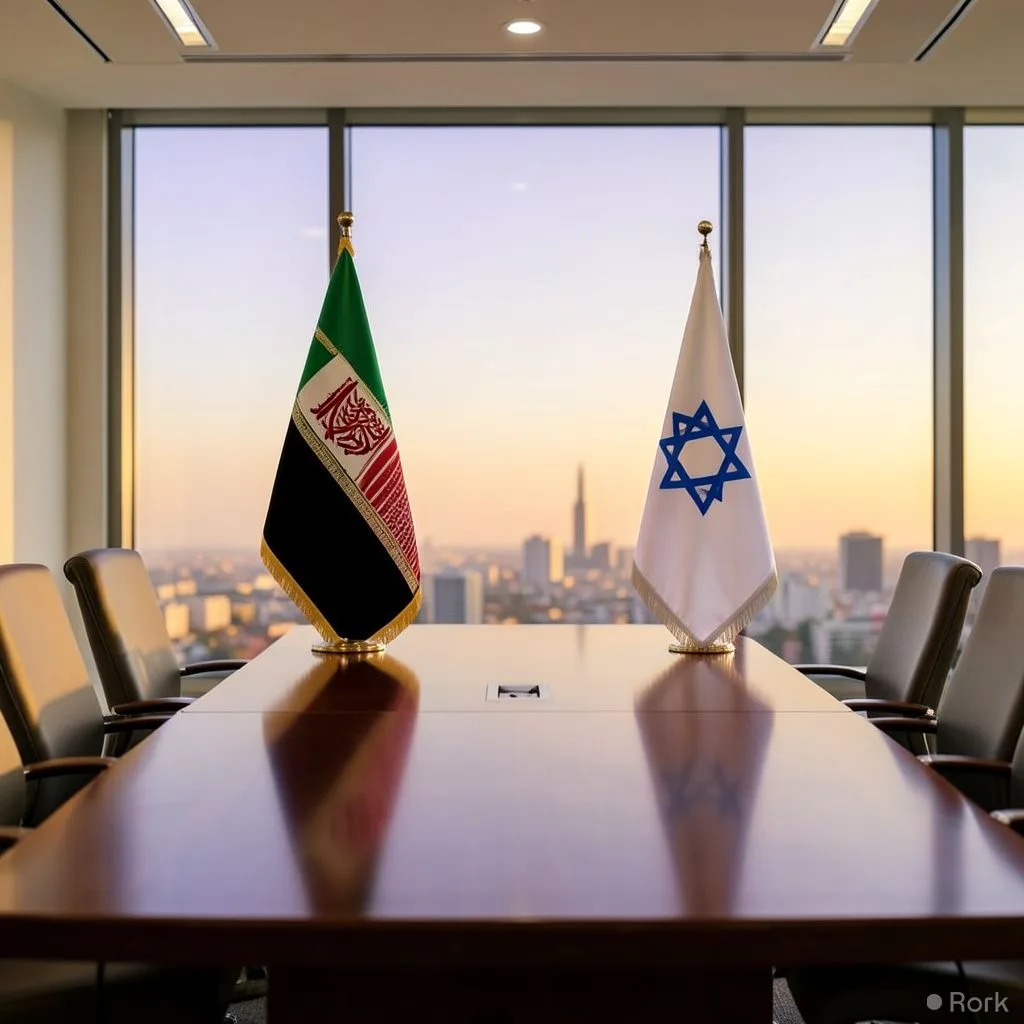
The conflict in Yemen’s south‑west has lingered for nearly a decade, draining resources and prompting a rotating coalition of Arab states to launch air strikes against the Iran‑backed Houthi movement. As the war drags on, Riyadh has been courting new partners to bolster its campaign, even as diplomatic overtures between Saudi Arabia and Israel have quietly deepened in recent years.
In a surprise development, Crown Prince Mohammed bin Salman turned down a discreet proposal from Israeli officials that would have seen Israeli forces or intelligence support the Saudi‑led anti‑Houthi operations. The refusal, confirmed by senior Saudi sources, keeps the Yemen front free of any direct Israeli military involvement.
Analysts argue the decision reflects Riyadh’s careful balancing act. While Saudi Arabia has been normalising ties with Israel—most notably through tentative security dialogues and limited economic contacts—the kingdom remains wary of alienating key regional allies such as the United Arab Emirates, Qatar and, crucially, Iran‑aligned groups. A visible Israeli role in Yemen could provoke a backlash from the broader Arab public, where sentiment toward Israel remains largely hostile, and risk inflaming already volatile sectarian dynamics.
For Pakistan, the move carries several implications. The kingdom is a major supplier of crude oil to Karachi, and any escalation that draws Israel into the conflict could jeopardise the flow of energy supplies and raise oil prices, affecting the Pakistani economy. Moreover, Pakistan’s sizable expatriate community in the Gulf watches Saudi policy shifts closely; a Saudi‑Israeli military partnership might strain community ties and complicate labour‑migration dynamics that underpin remittance inflows. Finally, Islamabad’s own security calculus—particularly its concerns about Iranian influence in the region—means that Riyadh’s restraint may be welcomed as a stabilising signal, preserving a status quo that limits further regional entanglement.
The rejection underscores Riyadh’s preference to keep the Yemen theatre within the traditional Arab coalition framework, even as it continues to explore broader strategic cooperation with Israel in fields such as technology and intelligence. Until a clear consensus emerges among Gulf states and their domestic audiences, Saudi Arabia is likely to maintain its current level of involvement, avoiding any overt Israeli participation that could redraw the fragile lines of the Middle‑East conflict map.