
Key points:
- The federal government and Jamaat‑e‑Islami have agreed to set up joint committees to examine the current petroleum levy.
- The committees will explore mechanisms for immediate relief to households facing high fuel, electricity and inflation pressures.
- The accord comes amid a wave of JI‑led protests across the country demanding a rollback of the levy and broader price‑stabilisation measures.
- Both sides present the collaboration as a constructive response to growing public discontent over the cost‑of‑living crisis.
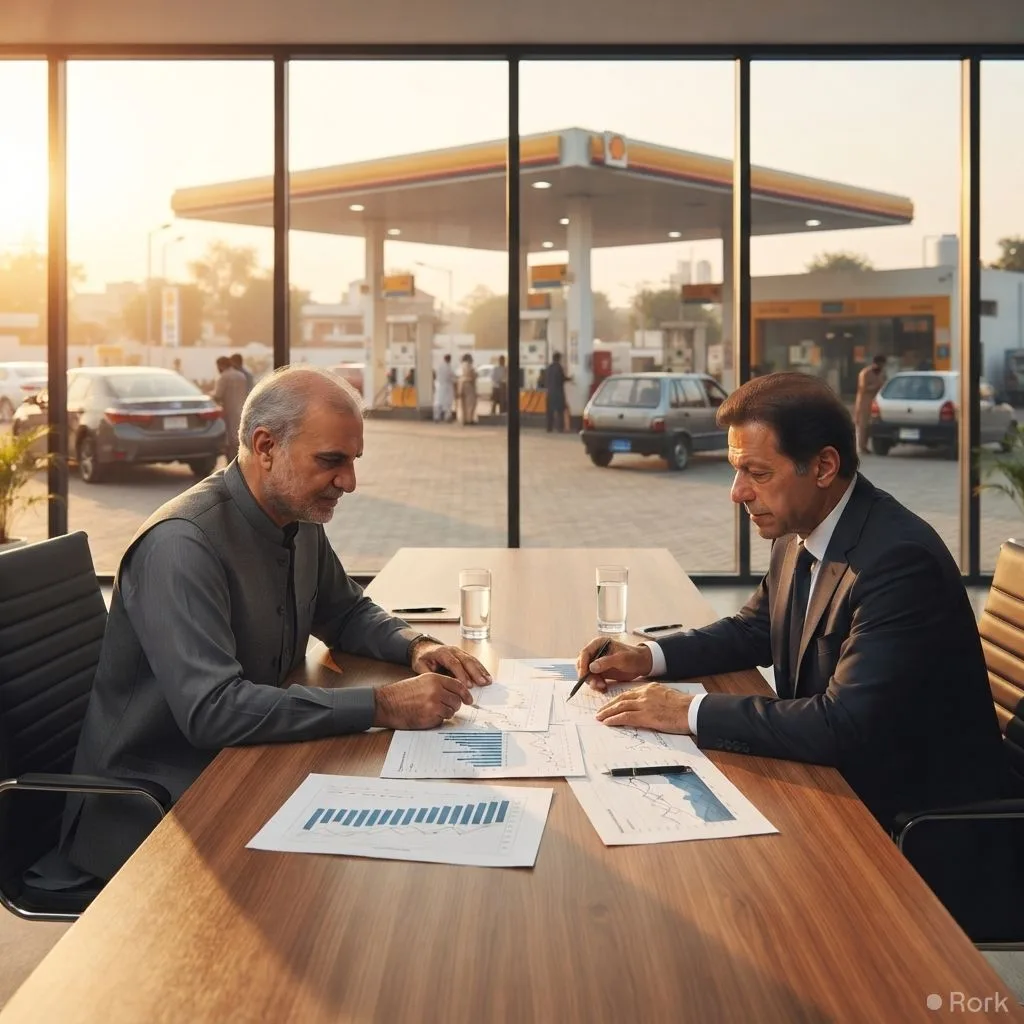
The Ministry of Finance announced on Thursday that, following negotiations with Jamaat‑e‑Islami (JI), two inter‑ministerial committees will be constituted to scrutinise the structure of the petroleum levy imposed on gasoline, diesel and kerosene. The committees are tasked with assessing the fiscal impact of the levy on consumers, evaluating alternative revenue options for the treasury, and recommending short‑term adjustments that could lower pump prices.
Jamaat‑e‑Islami, which has been organising sit‑ins and rallies in major cities since early August, said the decision reflects the government’s willingness to listen to public grievances. Party spokespersons highlighted that the levy, introduced last year as a measure to shore up dwindling state finances, has disproportionately burdened low‑ and middle‑income families already squeezed by rising food costs and soaring electricity tariffs.
Analysts note that the formation of these committees could signal a shift in the government’s fiscal strategy, which has struggled to balance revenue generation with inflation control. If the review leads to a reduction or restructuring of the levy, households could see a modest dip in fuel prices, translating into lower transport costs and a slight easing of overall inflationary pressure. However, experts caution that any relief must be offset by alternative revenue streams to avoid widening the fiscal deficit.
The agreement also carries political weight. By engaging directly with JI, the ruling coalition aims to defuse the nationwide protests that have threatened to intensify ahead of the upcoming provincial elections. Observers suggest that the joint review may serve as a litmus test for the government’s capacity to respond to civil society demands while maintaining fiscal stability. The outcome of the committees’ work will be closely watched by consumers, industry stakeholders, and opposition parties alike.