
Key points
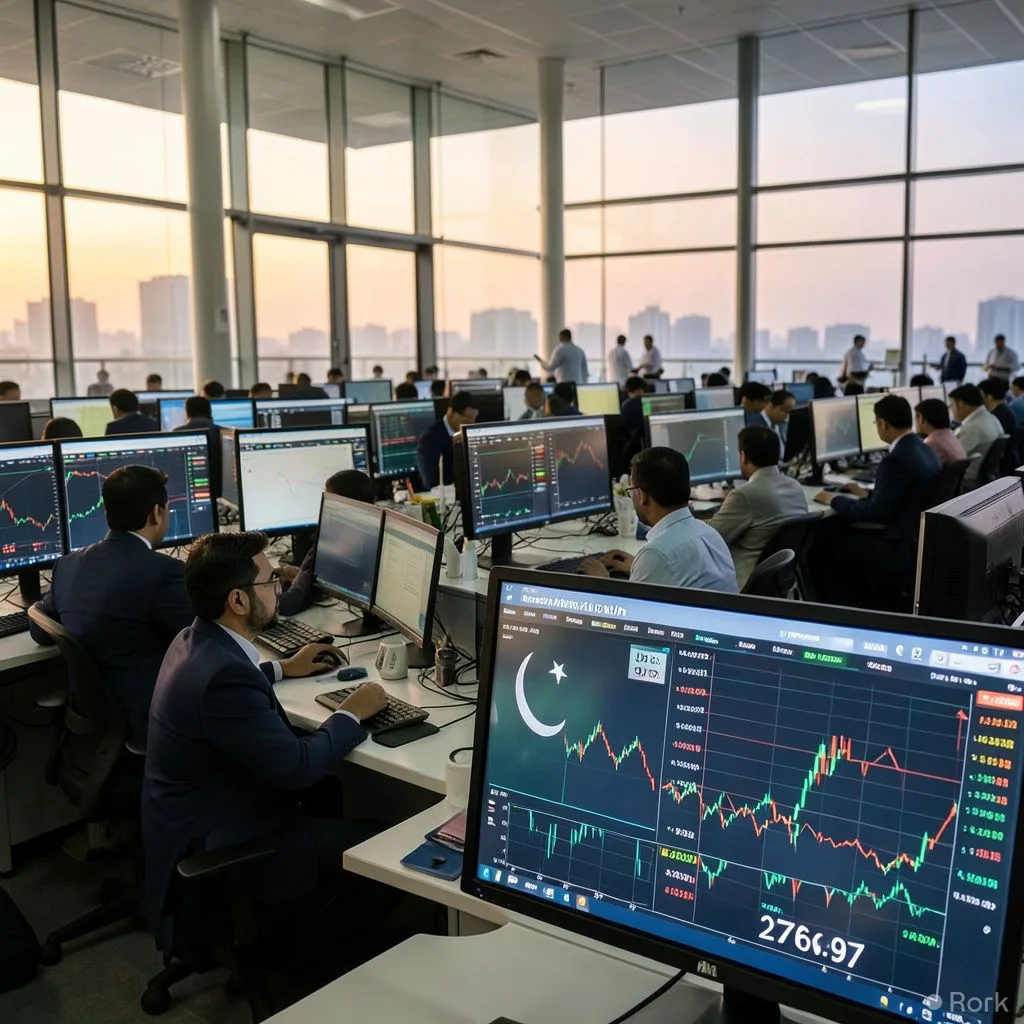
- The interbank rate for the Pakistani rupee settled at Rs 276.97 per US $1 on 12 October 2026.
- This is the first time in almost three years that the currency has traded at this level.
- Market participants attribute the modest appreciation to recent stabilization steps and a slight easing of external pressures on the foreign‑exchange market.
- Analysts warn that a durable upside will hinge on comprehensive macro‑economic reforms and continued policy support.
The rupee’s modest rally was recorded by Mettis Global, which tracks interbank transactions. After a prolonged period of depreciation that saw the exchange rate breach the Rs 300 mark in early 2024, the currency has now nudged back toward the Rs 275–Rs 280 band. The movement, though limited in magnitude, is symbolically important for a nation that has been grappling with a balance‑of‑payments squeeze, soaring import bills and a tightening of external financing.
The recent uptick follows a series of measures introduced by the State Bank of Pakistan, including tighter liquidity management, a modest increase in the policy rate and targeted foreign‑exchange interventions aimed at curbing speculative outflows. In addition, a modest improvement in the current‑account deficit—driven partly by higher remittance inflows and a slowdown in non‑essential imports—has eased some of the pressure on the foreign‑exchange market. These steps have been reinforced by ongoing dialogue with the International Monetary Fund, which has signaled continued support contingent on structural adjustments.
For everyday Pakistanis, a stronger rupee can translate into marginally lower prices for imported goods, a modest easing of inflationary pressure, and a slightly cheaper cost of servicing foreign‑currency debt for corporations and the government alike. Export‑oriented businesses, however, remain cautious; a firmer currency can erode competitiveness unless productivity gains offset the exchange‑rate advantage. Investors are also watching the development closely, as a more stable rupee could improve the attractiveness of local bonds and equities to foreign fund managers.
Despite the short‑term relief, economists stress that the rupee’s trajectory will depend on the implementation of deeper reforms—such as broadening the tax base, improving governance of state‑owned enterprises, and securing sustainable financing for energy and infrastructure projects. Without such structural changes, the currency may revert to its recent depreciation trend, especially if global risk sentiment shifts or external financing conditions tighten again. The coming weeks will therefore be crucial in determining whether this modest gain marks the start of a steadier recovery or merely a temporary pause in a volatile exchange‑rate environment.