
Key points:
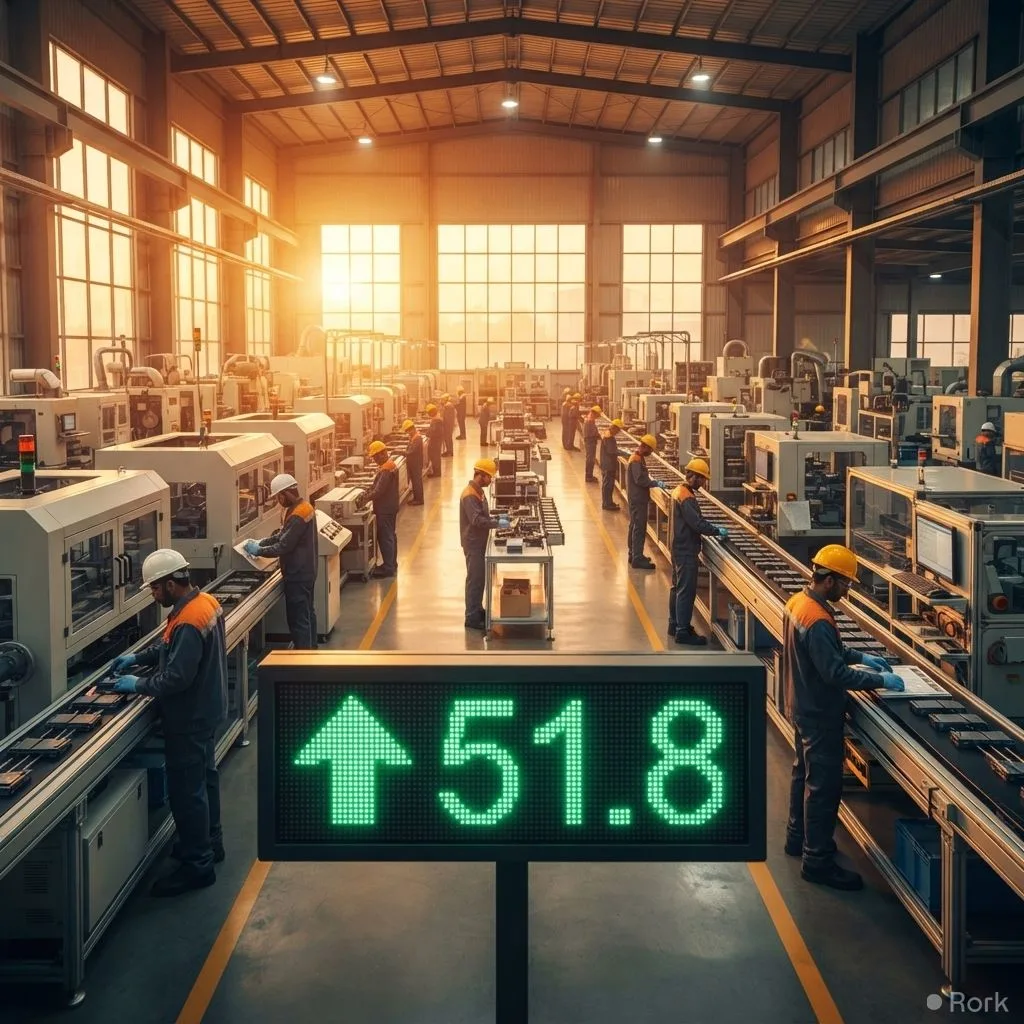
- The HBL Pakistan Manufacturing PMI rose to 51.8 in August 2026, up from 51.7 in July, marking the strongest reading since the conflict began.
- The modest acceleration reflects improving demand, especially from domestic buyers, which helped lift output across a range of factories.
- Analysts see the uptick as a sign of cautious optimism, noting that supply‑chain bottlenecks are easing but growth remains measured.
The latest HBL Pakistan Manufacturing Purchasing Managers’ Index (PMI) nudged higher to 51.8 in August, the highest level recorded since the war started. While the figure still points to a modest expansion—any reading above 50 indicates growth—the improvement suggests that manufacturers are beginning to feel the impact of a gradual rebound in local demand.
Domestic orders have been the primary engine behind the rise. Companies in sectors such as textiles, food processing, and light engineering reported better order books, which in turn translated into higher production levels. This shift is particularly significant for small and medium‑sized enterprises that rely heavily on the home market and have been vulnerable to the broader economic slowdown caused by the conflict.
Economists caution that the momentum, though encouraging, remains fragile. Persistent inflation, foreign exchange pressures, and intermittent power shortages continue to pose challenges. Nevertheless, the upward trend in the PMI is being interpreted as a sign that the manufacturing base is adapting to the new realities, offering a modest but hopeful outlook for employment and export potential in the coming months.