
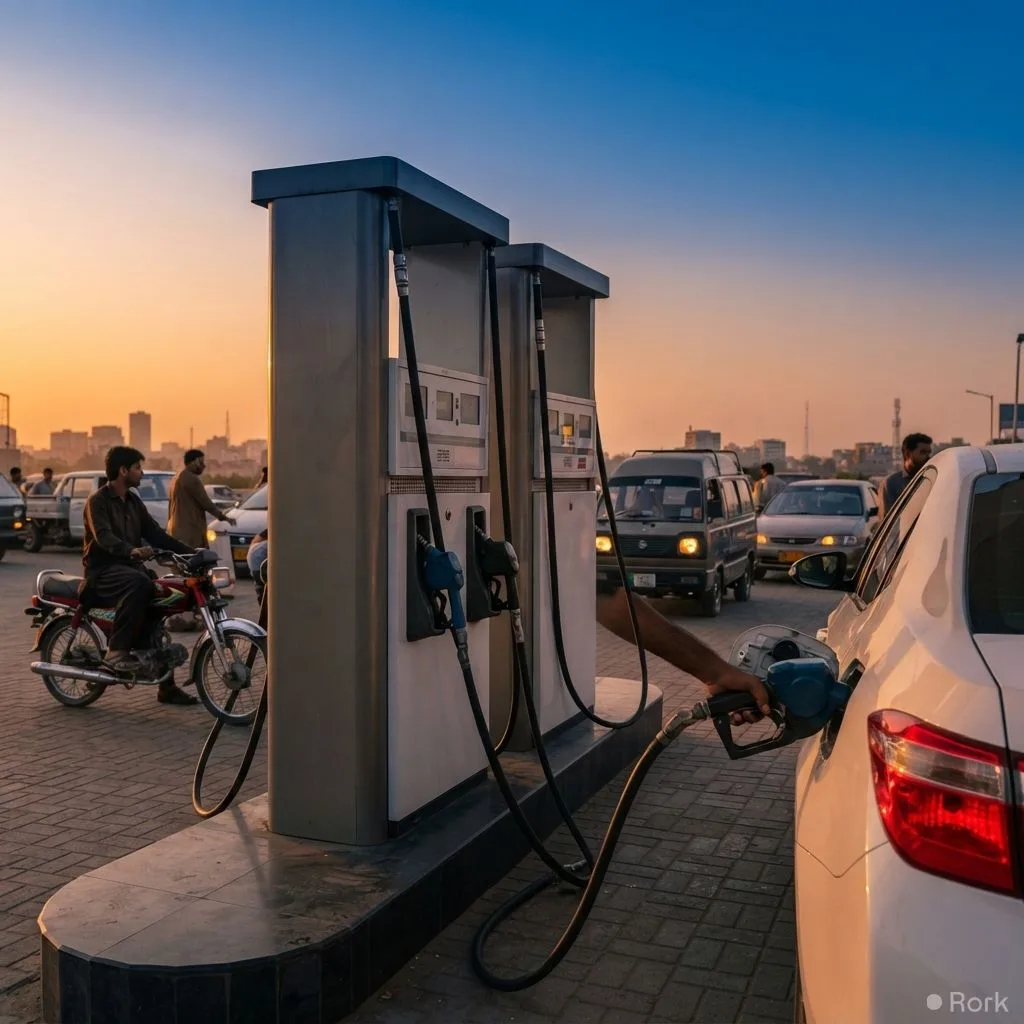
Key points:
- The federal government raised the retail price of petrol by Rs 2.29 per litre.
- Diesel prices were increased by Rs 1.11 per litre.
- The new tariffs came into effect on Friday and will be reflected on fuel‑station price boards nationwide.
- The adjustment intensifies cost pressures on private motorists, public‑transport operators and logistics firms across Pakistan.
The Ministry of Finance announced the latest fuel‑price revision as part of its quarterly review, citing a combination of higher global crude‑oil benchmarks and a weaker rupee that have squeezed margins for domestic refineries. The increase adds to a series of modest hikes over the past year, which have already pushed the average cost of a litre of petrol above Rs 250.
For everyday commuters, the additional Rs 2.29 per litre translates into roughly Rs 30–40 extra per 15‑kilometre city trip, depending on vehicle efficiency. Public‑transport operators—buses, vans and ride‑hailing services—are expected to pass a portion of the added expense onto passengers, potentially raising fares by 5‑7 %. Logistics companies, which already operate on thin profit margins, warn that the higher diesel cost will erode earnings and could lead to increased freight charges for goods ranging from agricultural produce to imported electronics.
Industry analysts caution that the fuel‑price hike could feed into broader inflationary trends, especially in a country where transportation accounts for a sizable share of the consumer‑price index. They advise households to review monthly budgets and consider alternative commuting options, such as car‑pooling or using more fuel‑efficient public‑transport routes, until the market stabilises.
The move also reignites the longstanding debate over Pakistan’s subsidy framework and the need for a sustainable energy policy. While the government argues that the adjustment aligns domestic prices with international market realities, opposition parties and transport unions have called for targeted relief measures to shield low‑income commuters from the immediate impact. The coming weeks will reveal whether any compensatory steps—such as temporary subsidies or fare caps—will be introduced to mitigate the shock.