
Key points:
- Punjab’s provincial administration intends to procure 1 million metric tons of wheat from PASSCO, valued at roughly Rs 103.75 billion.
- The purchase would be priced at about Rs 415 per kg, representing one of the largest single‑season grain buys in recent Pakistani history.
- Finance officials warn that committing the entire amount in one transaction could pressure the province’s budget and advise a staggered acquisition.
- If approved, the deal aims to lock in supply for the upcoming rabi season, curb price volatility and protect farmers’ earnings.
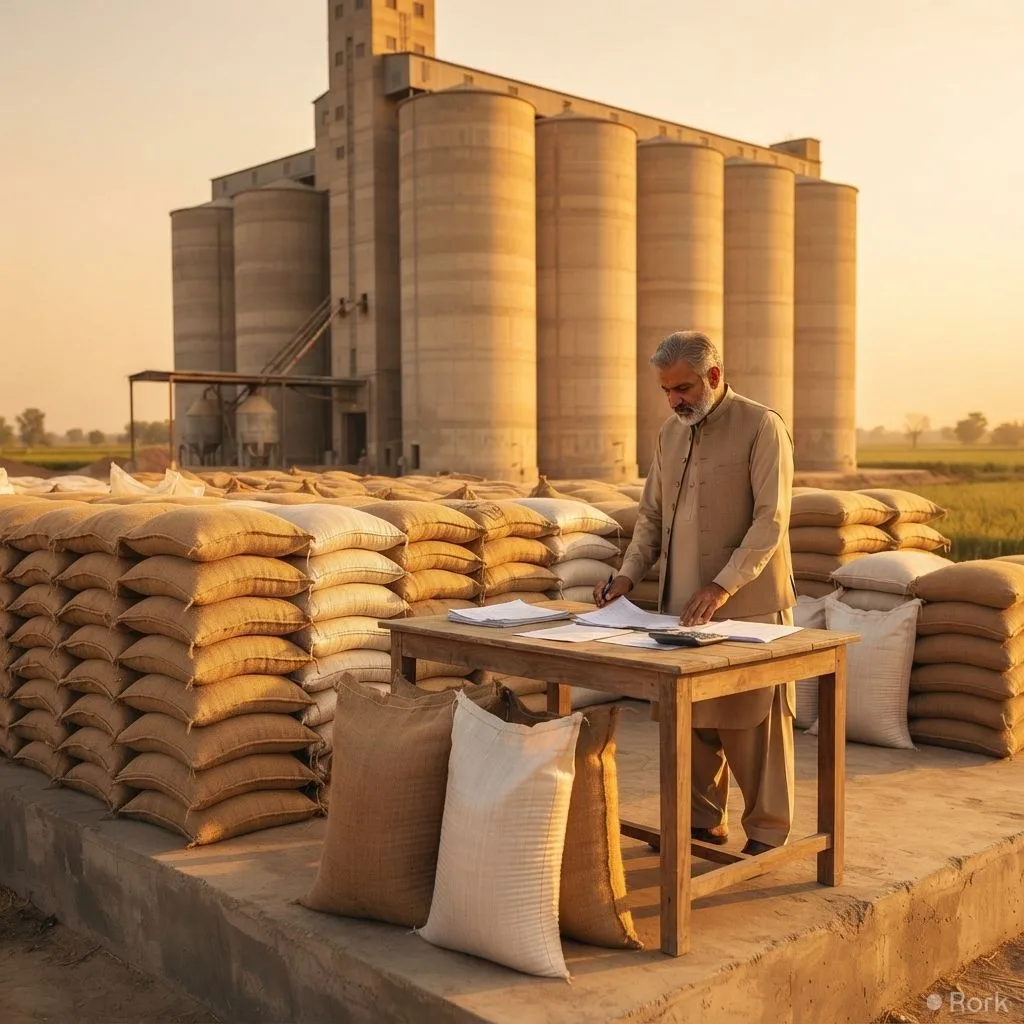
The Punjab government has approved a plan to secure a million metric tonnes of wheat through the Pakistan Agricultural Storage and Services Corporation (PASSCO). At an estimated cost of Rs 103.75 billion, the transaction would lock in wheat at roughly Rs 415 per kilogram, providing the province with a sizable buffer against any shortfall in the upcoming harvest. Punjab, which contributes more than half of Pakistan’s total wheat output, has been looking to strengthen its strategic grain reserves after a series of price spikes and supply‑chain disruptions over the past few years.
However, the Finance Department has cautioned that purchasing the whole quantity at once could strain provincial finances. Officials argue that a phased procurement—spreading payments and deliveries over several months—would reduce fiscal risk while still ensuring that the wheat reaches storage facilities in time for the rabi sowing period. The concern stems from the province’s tight budgetary envelope, which must also accommodate other priority sectors such as health, education and infrastructure.
Stakeholders see the bulk purchase as a double‑edged sword. For farmers, a guaranteed off‑take at a stable price can safeguard incomes and encourage timely planting. For consumers, a large stockpile may help keep retail wheat prices steady, shielding households from sudden inflation. Yet critics note that if the government over‑commits funds, it could limit flexibility in responding to other emergencies or development projects.
The proposal is now pending final clearance from the provincial cabinet and the finance ministry. Should it move forward, the deal will mark a significant intervention by the Punjab administration in the national wheat market, reflecting a broader strategy to enhance food security and stabilize agricultural earnings across the province.