
The province’s classrooms have long relied on textbooks that lag behind the rapid technological shifts reshaping the global job market. As Pakistan strives to close the digital skills gap and position its youth for the economies of tomorrow, Punjab’s education authorities have moved to embed artificial‑intelligence concepts directly into the curriculum.
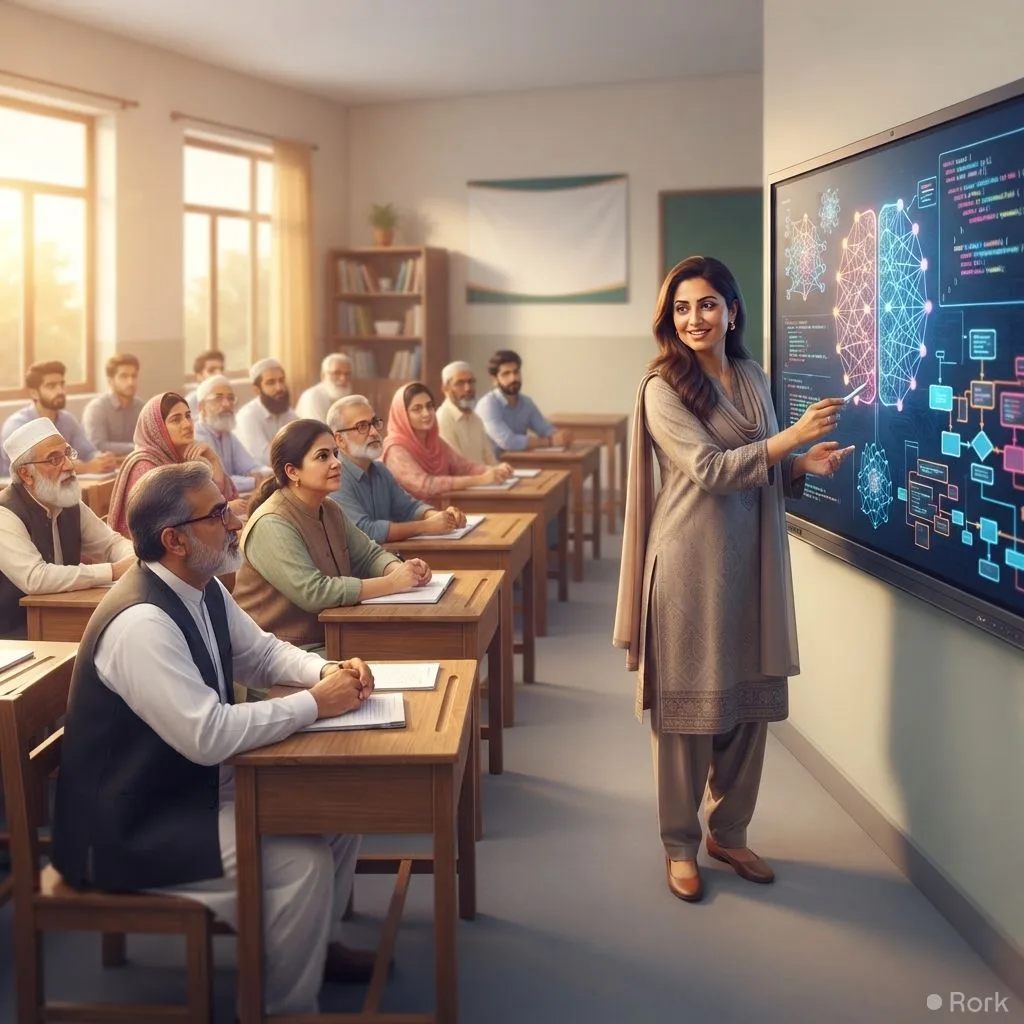
In a landmark move, the Punjab government announced a province‑wide training programme that will equip roughly 160,000 public‑school teachers with the knowledge and tools needed to deliver an AI‑focused syllabus. The initiative, slated to begin in the upcoming academic year, combines face‑to‑face workshops, interactive online modules and hands‑on laboratory sessions, ensuring educators can translate abstract AI theory into classroom‑ready lessons.
The curriculum, developed in partnership with local universities and tech firms, covers core topics such as machine learning fundamentals, data ethics, and simple coding exercises that students can undertake using low‑cost hardware. By training teachers first, the government hopes to create a multiplier effect: a single educator will be able to reach dozens of students each year, gradually building a generation that can engage with emerging technologies from secondary school onward.
Officials say the programme aligns with Pakistan’s national AI strategy, which aims to foster a skilled workforce capable of contributing to sectors ranging from agriculture to health care. For Punjab’s 30 million‑strong student body, the training could translate into better preparation for higher‑education programmes and future employment in a digital economy that increasingly values AI literacy.
While the rollout promises to modernise public education, experts caution that success will depend on sustained funding, continuous professional development and robust monitoring mechanisms. If these challenges are met, Punjab could set a precedent for other provinces, positioning the region as a leader in tech‑enabled schooling across South Asia.