
Iran warned that the Strait of Hormuz will remain shut until Washington accepts the conditions laid out in Tehran’s peace proposal.
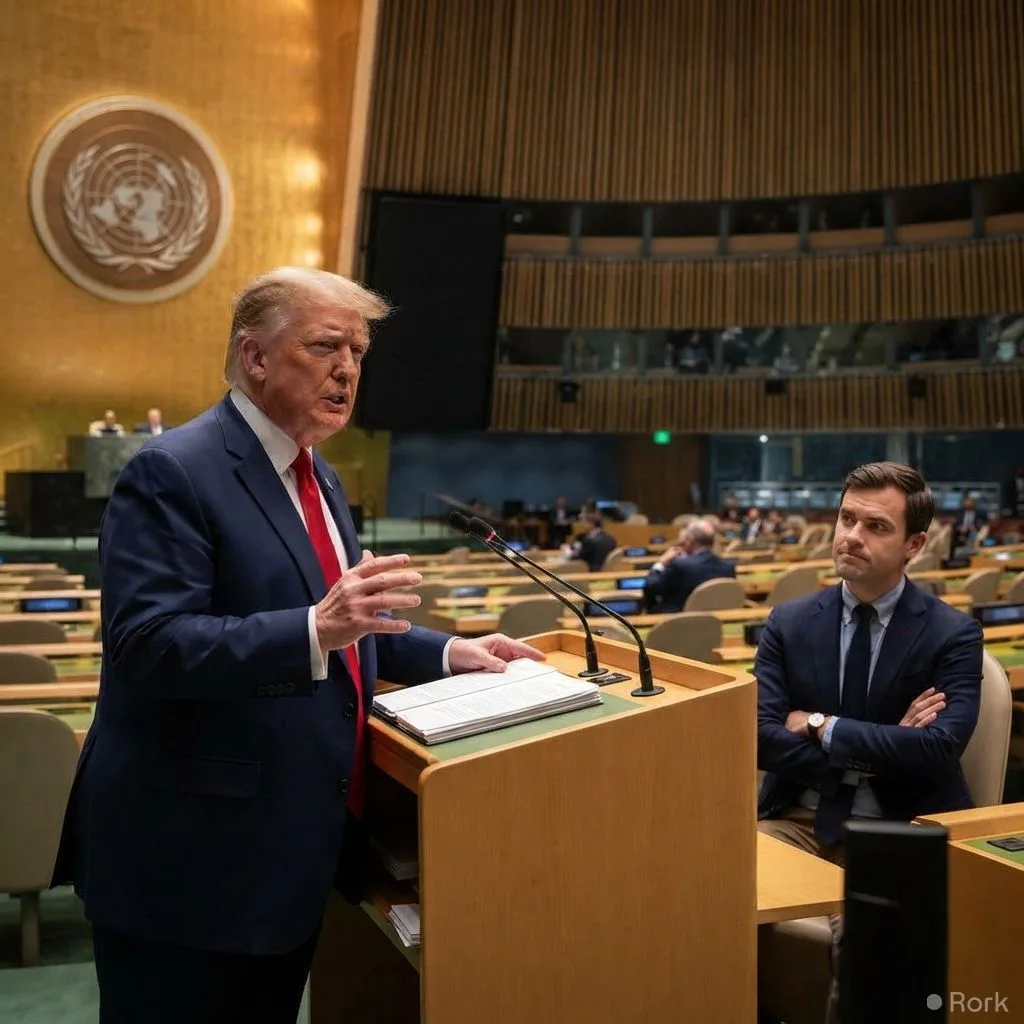
Tehran reiterated on Sunday that diplomacy is the only viable route to reopen the strategic waterway, insisting the United Nations‑presented plan remains on the table despite President Donald Trump’s outright dismissal. The Iranian foreign ministry stressed that the proposal, unveiled at last week’s UN General Assembly, hinges on the United States halting what it calls “aggressive” policies and lifting sanctions that Tehran deems punitive.
At the United Nations, U.S. ambassador Linda Thomas‑Greenfield said President Trump “does not have confidence in Iran’s good faith,” casting doubt on the prospect of a negotiated settlement and underscoring the administration’s skepticism toward Tehran’s overtures. The envoy’s remarks highlight the widening gap between the two capitals, even as both sides publicly call for diplomatic engagement.
The impasse carries significant implications for Pakistan, whose economy is heavily dependent on oil imports that traverse Hormuz. A prolonged closure could push crude prices higher, strain Pakistan’s balance of payments and exacerbate domestic fuel subsidies. Analysts warn that any escalation may force Islamabad to seek alternative routes or increase reliance on the China‑Pakistan Economic Corridor for energy supplies, reshaping regional trade dynamics.
For now, Iran’s stance remains firm: without the fulfillment of its stipulated conditions, the strait’s traffic will stay suspended, keeping the world’s energy markets on edge and leaving neighboring economies, including Pakistan, to brace for the economic fallout.