
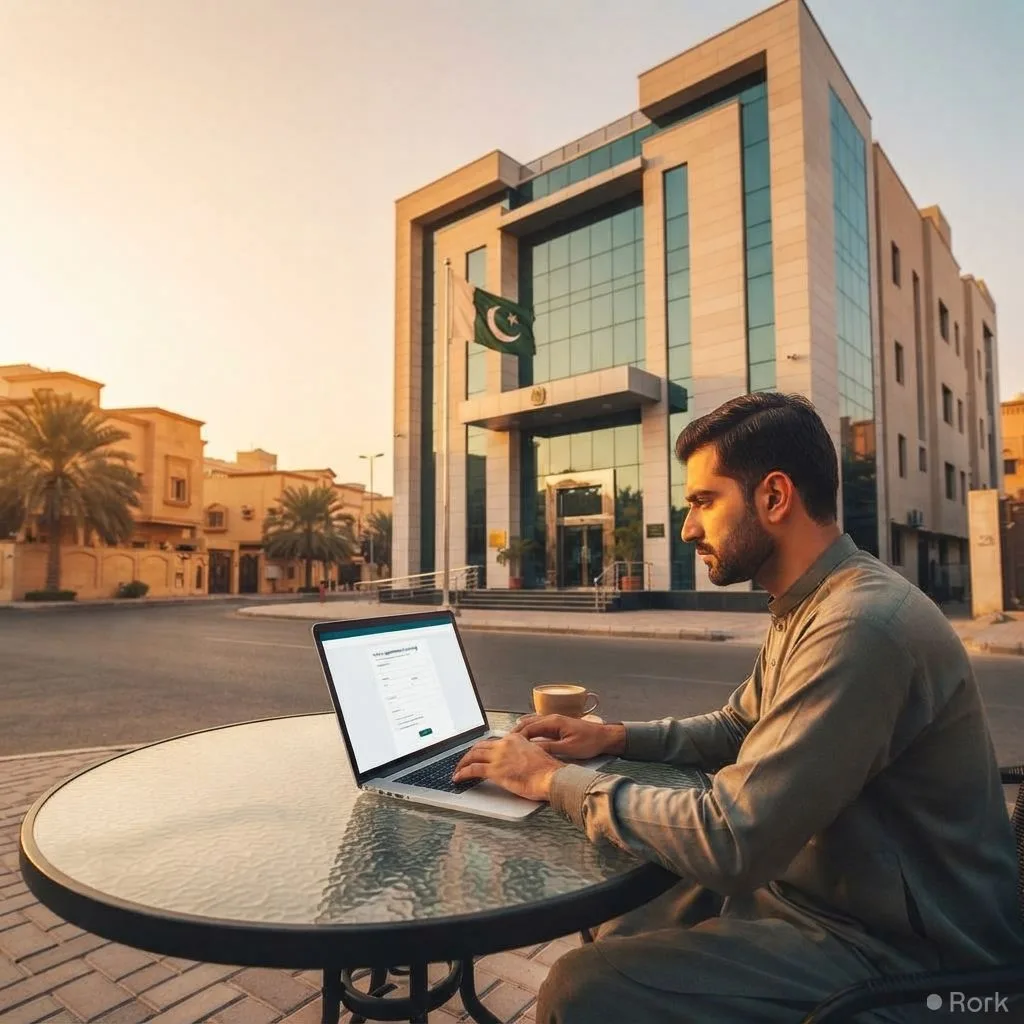
The Consulate General of Pakistan in Jeddah has rolled out an online appointment platform for National Database and Registration Authority (NADRA) and Machine‑Readable Passport (MRP) services, allowing Pakistani residents of western Saudi Arabia to schedule visits in advance starting 24 September 2026. The system, which will be accessed through the consulate’s website, requires applicants to book a time slot before appearing for document verification, biometric capture and passport issuance.
The new portal replaces the previous walk‑in model that often resulted in long queues and unpredictable waiting periods at the consulate’s Jeddah office. By mandating pre‑booked appointments, the consulate aims to streamline the processing of identity cards, family registration, and passport renewals, thereby cutting down on both travel time for applicants and administrative bottlenecks for staff.
Pakistan’s expatriate community in the western provinces of Saudi Arabia—primarily in Jeddah, Mecca and Taif—numbers in the tens of thousands, many of whom are employed in construction, services and trade. For these workers, timely access to NADRA‑issued CNICs and valid passports is essential not only for everyday legal compliance but also for seasonal travel to Pakistan, pilgrimage to Mecca and participation in overseas training programmes. The digital booking system is expected to reduce the disruption caused by missed appointments and the need for repeated visits to the consulate.
The online system guides users through a step‑by‑step checklist, prompting them to upload scanned copies of required documents such as the original CNIC, photographs, and, where applicable, prior passport copies. Once the appointment is confirmed, applicants receive an electronic receipt with a QR code that will be scanned on the day of their visit. The consulate has also announced that biometric data will be captured on‑site using the latest NADRA equipment, ensuring that the quality of identity verification meets the standards set by the home ministry.
Officials indicated that the move aligns with Pakistan’s broader e‑governance agenda, which seeks to digitalise citizen services both within the country and at diplomatic missions abroad. Similar online booking mechanisms have already been introduced at the Pakistani embassies in Riyadh and Doha, and the Jeddah rollout is part of a coordinated effort to offer uniform, hassle‑free services to the overseas Pakistani diaspora.
While the appointment‑only model will handle routine NADRA and passport requests, the consulate clarified that emergency cases—such as lost passports required for urgent travel—will still be accommodated through a separate fast‑track channel. Detailed instructions, FAQs and a helpline number have been posted on the consulate’s official website to assist users unfamiliar with the new process.
Analysts suggest that the digital shift could lessen the administrative load on NADRA’s domestic centres, as expatriates will be able to complete renewals and updates without needing to travel back to Pakistan. Moreover, by reducing in‑person congestion, the consulate can allocate more resources to consular assistance, legal aid and community outreach programmes for Pakistanis living in Saudi Arabia.