
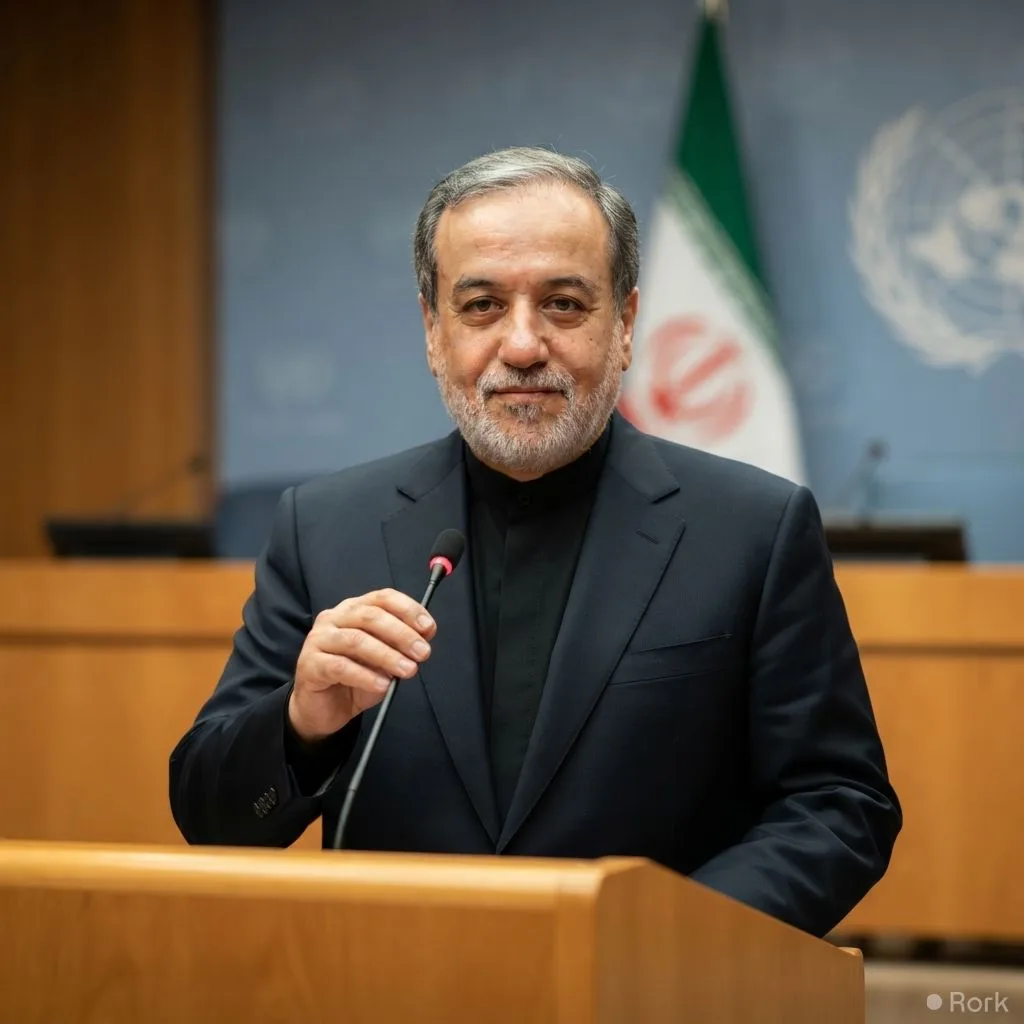
Key points:
- Iran’s foreign minister, Abbas Araghchi, warned that Tehran would move to “destroy Israel” if a new armed conflict erupts in the region.
- The statement was made amid soaring tensions following the latest flare‑ups between Israel and Palestinian factions.
- Iran’s rhetoric signals a hardening of its regional policy and could raise the risk of broader confrontation.
- Pakistani policymakers are likely to monitor the development closely, given its possible impact on energy supplies, diaspora safety and Pakistan’s diplomatic posture toward both Tehran and Jerusalem.
Iranian Foreign Minister Abbas Araghchi delivered a stark warning on Thursday, declaring that any resumption of hostilities in the Middle East would compel Iran to pursue the “destruction of Israel.” The comment came as the Gaza‑Israel front remains volatile and diplomatic channels appear increasingly strained. Tehran’s declaration underscores a shift from conventional diplomatic protest to a more confrontational posture, echoing the rhetoric that has characterized Iran’s official discourse since the early 2000s.
The minister’s remarks arrive at a time when regional actors, including Saudi Arabia and the United Arab Emirates, are cautiously engaging in back‑channel talks aimed at preventing a wider war. However, Iran’s insistence on an existential threat to Israel raises the specter of a proxy escalation that could draw in Hezbollah, militias in Iraq and possibly external powers with vested interests in the region.
For Pakistan, the development carries several implications. The country imports a significant portion of its oil and gas through the Strait of Hormuz, a chokepoint that could be jeopardised by heightened Iran‑Israel tensions. Moreover, a large Pakistani expatriate community resides in the Gulf and in Israel‑controlled territories; any spill‑over violence could threaten their safety and prompt consular emergencies. Islamabad, which has traditionally maintained a pro‑Palestinian stance while avoiding open confrontation with Israel, may now face pressure to articulate a more nuanced diplomatic line to preserve its strategic ties with both the United States and Gulf states.
International observers warn that such inflammatory language from Tehran could further destabilise an already fragile equilibrium. While the United Nations and major powers continue to call for restraint and a return to cease‑fire negotiations, Araghchi’s statement serves as a reminder that the window for diplomatic resolution is narrowing, and that any miscalculation could trigger a chain reaction affecting not only the Middle East but also neighboring regions, including South Asia.