
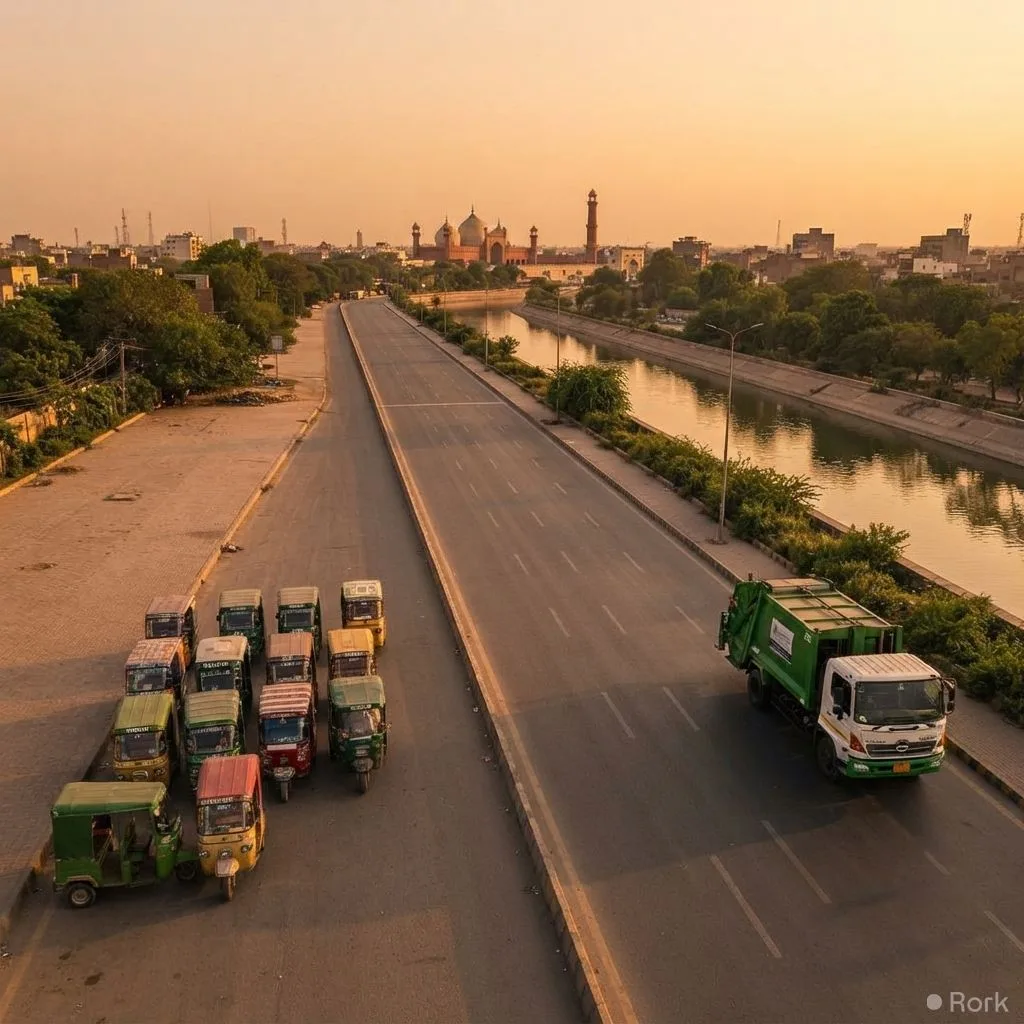
Chief Traffic Officer Muhammad Aslam has urged the municipal administration to replace the Qingqi and loader rickshaws operating on Canal Road with larger, less disruptive vehicles.
Lahore’s Canal Road, a critical arterial route linking the city’s industrial zones with residential districts, has seen a surge in traffic snarls during peak hours. The rickshaws, originally deployed for the Suthra Punjab sanitation programme, often line the narrow lanes, slowing down commuter flow and hindering the passage of emergency services.
In a briefing to senior traffic officials, Aslam highlighted that the three‑wheelers, while convenient for waste collection, occupy valuable road space that could otherwise accommodate regular traffic. By removing or relocating these vehicles, the traffic police anticipate a smoother movement of cars, buses, and motorcycles along one of Lahore’s busiest thoroughfares.
The proposal, however, raises operational questions for the sanitation department. Replacing the rickshaws would likely involve deploying larger trucks capable of handling the same volume of waste without congesting the roadway. This shift may require additional funding for fleet upgrades and training for drivers accustomed to the smaller units.
The ban is not yet finalised; it will be examined in the upcoming traffic committee meeting where city officials, transport planners, and representatives from the sanitation agency will debate viable alternatives. If approved, the move could set a precedent for re‑evaluating the use of three‑wheelers in other high‑traffic zones across the city, aligning Lahore’s transport strategy with its broader goal of reducing congestion and improving road safety for all commuters.