
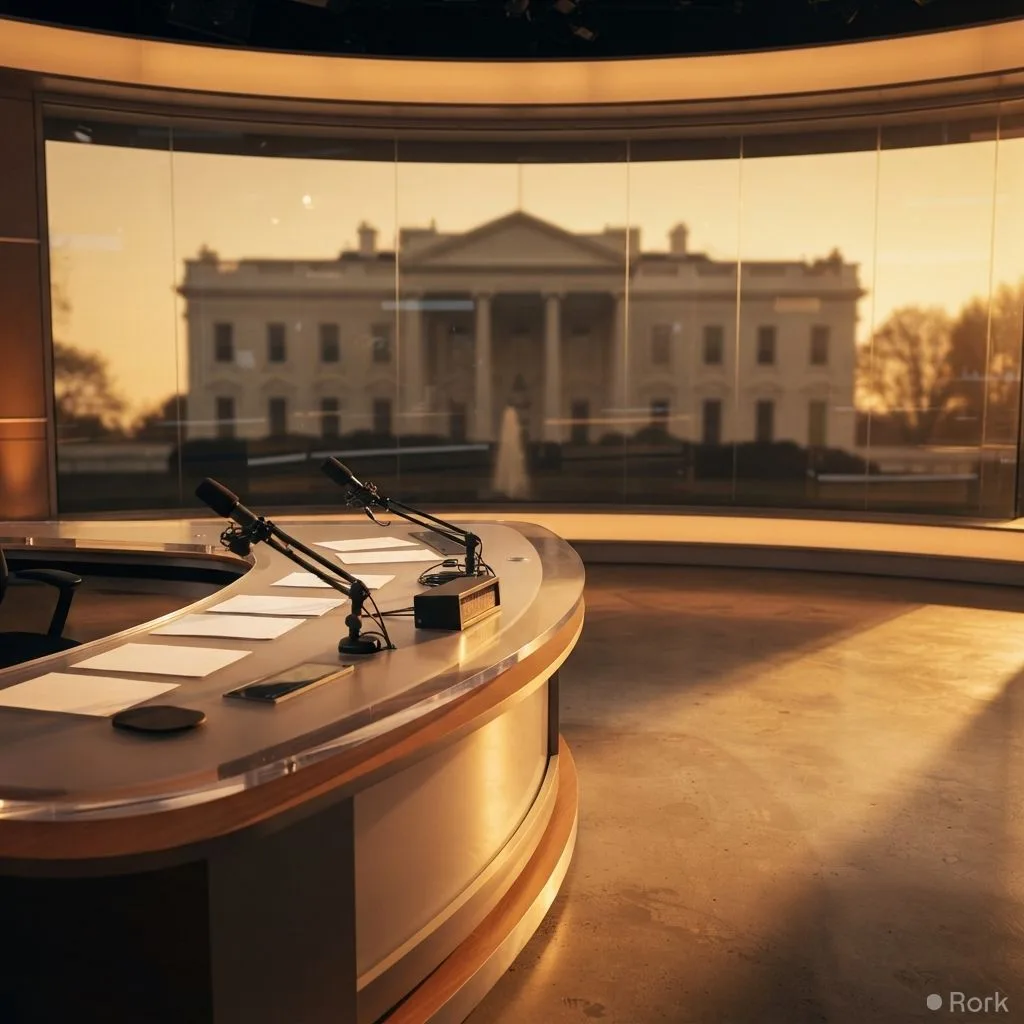
Washington, D.C. — On September 23, 2026, the United States’ three major broadcast networks announced the immediate suspension of their jointly‑produced White House briefing feed that had featured President Donald Trump. The decision, revealed during a brief statement by the networks’ news directors, halts the coordinated live coverage that had been aired across ABC, CBS and NBC since the start of Trump’s term.
Network officials said the pause stems from a growing impasse with the White House over journalists’ access to senior officials and the degree of editorial oversight the administration demands for the shared broadcast. Both sides have accused the other of violating long‑standing norms: the presidency alleges the networks have inserted “unfair” commentary, while the broadcasters contend that the administration is imposing “excessive” restrictions that compromise journalistic independence.
Media analysts suggest the suspension could fundamentally alter how presidential messaging reaches the American public. By breaking the unified feed, each network may revert to independent coverage, potentially leading to divergent narratives and a more fragmented information environment. The move also signals heightened tension between the Trump administration and mainstream media, echoing disputes that have characterized the president’s relationship with the press since his inauguration.
In Pakistan, the development is being closely watched by both diplomatic circles and the sizable South Asian diaspora that relies on U.S. network broadcasts for real‑time political updates. A shift in how the White House communicates could affect the flow of information on U.S. policy toward the region, including trade talks, security cooperation, and the ongoing dialogue over Afghanistan’s stability. Pakistani journalists note that any reduction in the consistency of U.S. coverage may prompt local media outlets to seek alternative sources to keep their audiences informed about decisions that impact bilateral relations.
The networks have not set a timetable for resuming the joint feed, indicating that negotiations with the White House are ongoing. In the interim, viewers can expect each channel to produce its own version of the daily briefing, with separate anchors and editorial framing, a departure from the synchronized format that has been a staple of presidential coverage for decades.