
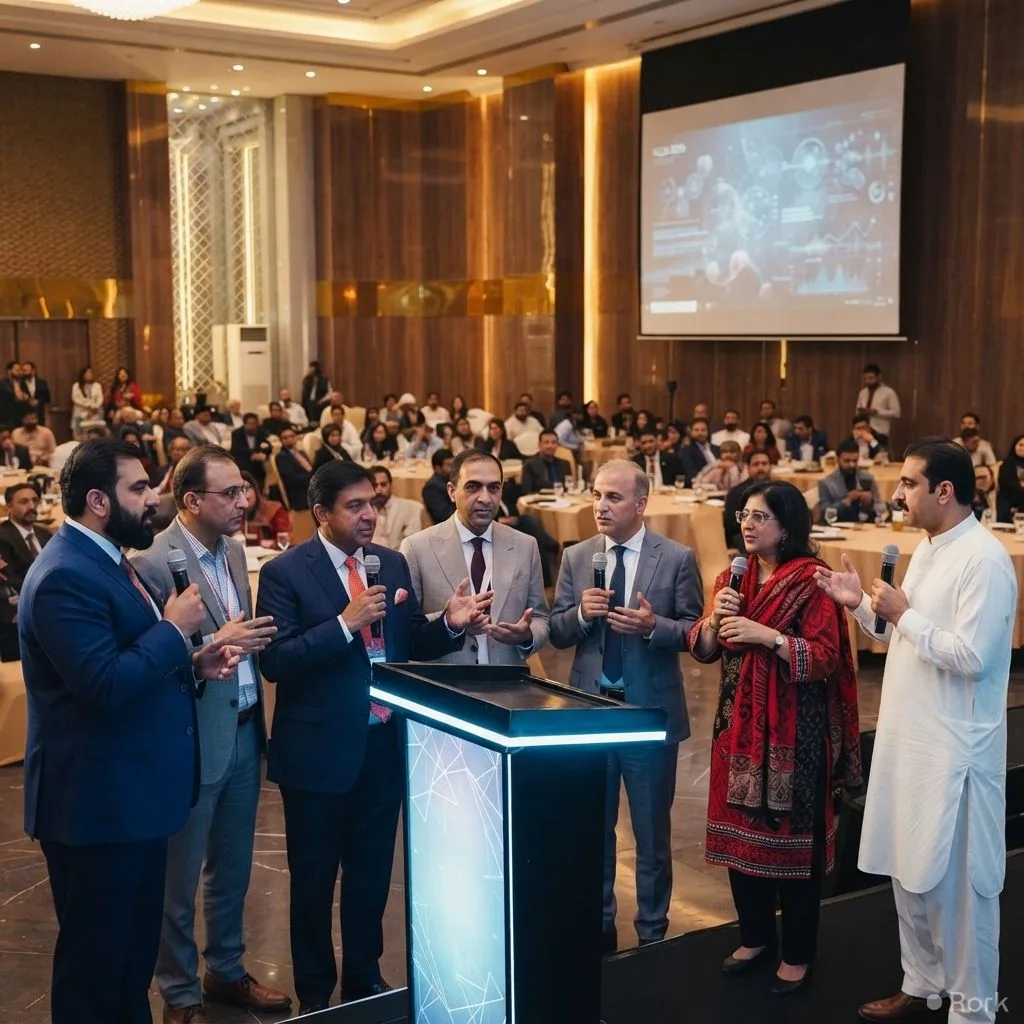
The 7th International Conference of Lifestyle Medicine (ICLM 2026) was officially launched on Tuesday at the Jacaranda Family Club in the Defence Housing Authority of Islamabad, with Riphah International University hosting a diverse assembly of policymakers, health‑sector executives, clinicians, researchers and international specialists aimed at promoting preventive and whole‑person health approaches.
Organisers highlighted that the gathering represents a pivotal platform for exchanging the latest scientific evidence on lifestyle interventions—ranging from nutrition and physical activity to stress management and sleep hygiene—and for translating that knowledge into actionable public‑health strategies. Speakers from the World Health Organization, the American College of Lifestyle Medicine and several South Asian research institutions are slated to present case studies and emerging data that could inform national health agendas.
The conference’s agenda underscores Pakistan’s escalating commitment to preventive care, a shift that aligns with the country’s recent health‑policy reforms targeting non‑communicable diseases, which account for over half of all deaths nationally. By convening global experts on Pakistani soil, Riphah aims to foster collaborations that may lead to locally adapted guidelines, capacity‑building programmes for primary‑care providers, and joint research initiatives addressing regional risk factors such as high rates of hypertension, diabetes and cardiovascular disease.
In addition to the plenary sessions, the event features interactive workshops where clinicians will practice evidence‑based counseling techniques, and a networking forum designed to connect Pakistani health ministries, private‑sector insurers and academic institutions with potential international partners. Attendees anticipate that these linkages will accelerate the adoption of lifestyle‑medicine curricula in medical schools and support pilot projects in community health centres across the country.
Riphah International University’s role as host reflects its broader strategy to position itself at the forefront of medical education and research in South Asia. The university’s School of Medicine has recently expanded its research portfolio to include longitudinal studies on diet‑related chronic conditions, and the conference serves as a showcase for these initiatives, potentially attracting further funding and collaborative opportunities.
Overall, ICLM 2026 is expected to generate a set of concrete recommendations for policymakers, including proposals for integrating preventive health metrics into existing health‑information systems and for incentivising workplaces to adopt wellness programs. If implemented, these measures could contribute to lowering the burden of lifestyle‑related illnesses and improving overall population health outcomes in Pakistan.