
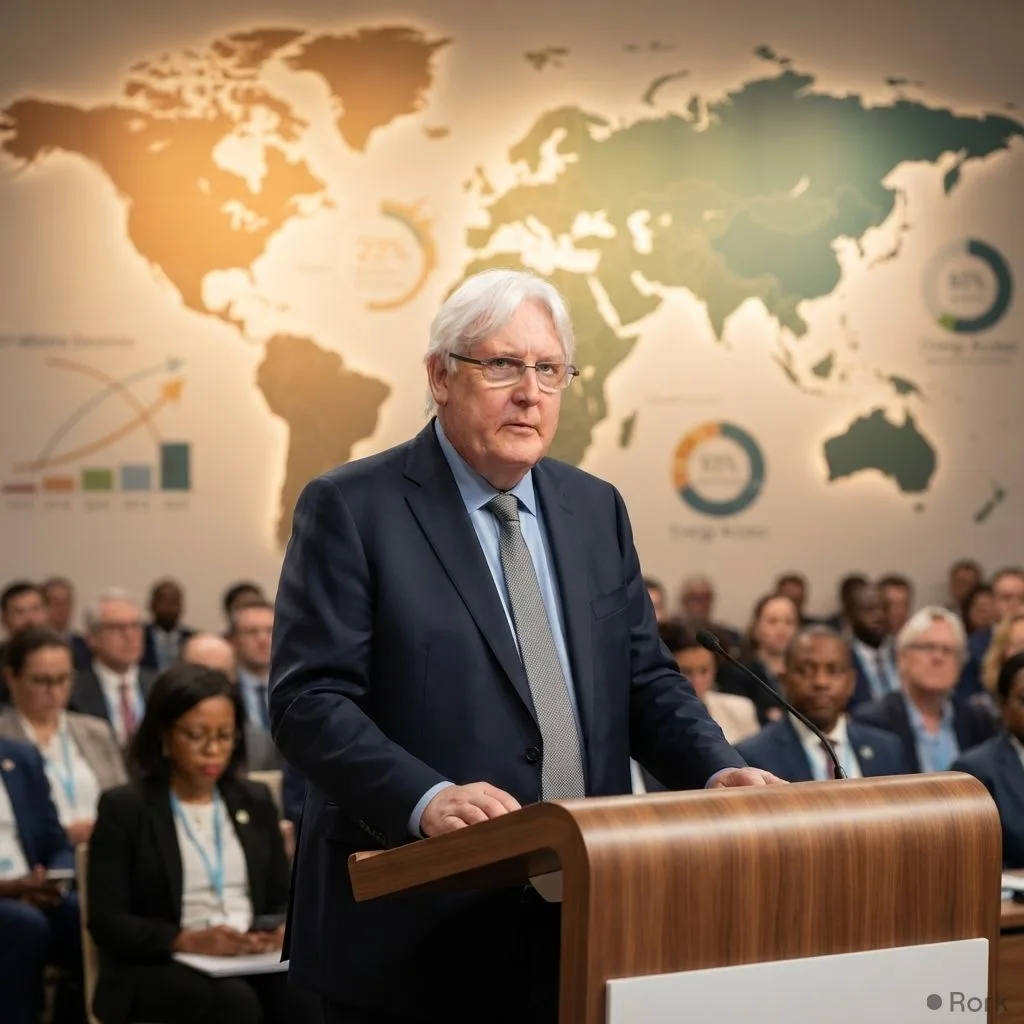
Rising global energy bills, an unusually fierce El Niño and tightening international credit markets have converged to tighten the economic noose around many low‑ and middle‑income nations. In Washington, United Nations Development Programme (UNDP) chief Achim Steiner warned that the combined shock is pushing these economies back to stress levels reminiscent of the COVID‑19 pandemic, when the G20 briefly suspended debt repayments for the world’s poorest states.
Steiner told reporters that the surge in fossil‑fuel prices – driven by supply bottlenecks and geopolitical tensions – is inflating the cost of production for energy‑intensive sectors, from textile mills in Bangladesh to fertilizer plants in Kenya. At the same time, an unprecedented El Niño is amplifying heatwaves and flooding across South Asia, Africa and Latin America, straining already fragile infrastructure and eroding agricultural harvests.
Compounding these pressures, global borrowing costs have climbed sharply after major central banks raised rates to combat inflation. Developing countries, many of which rely on external financing to fund health, education and climate‑adaptation projects, now face higher debt‑service burdens that could crowd out essential public spending. Steiner noted that the fiscal squeeze mirrors the situation in 2020‑21, when many governments were forced to divert resources to pandemic relief and debt repayments were temporarily halted under a G20 moratorium.
For Pakistan, the perfect storm is already being felt. The country’s soaring import bill for oil and gas has widened the current‑account deficit, while an early‑season El Niño‑driven heatwave has battered wheat and cotton yields, threatening food security and export earnings. At the same time, Pakistan’s external debt—already above 40 % of GDP—has become more expensive to service, raising concerns that limited fiscal space could delay critical reforms in education and health.
Steiner called for a coordinated global response that couples debt relief with climate‑resilient financing and targeted assistance for sectors most exposed to energy price spikes. He urged donor nations, multilateral lenders and private investors to design financing packages that reward low‑carbon transitions and bolster social safety nets, before the overlapping crises reverse the development gains of the past decade and widen the economic divide between the Global North and South.