
Key points:
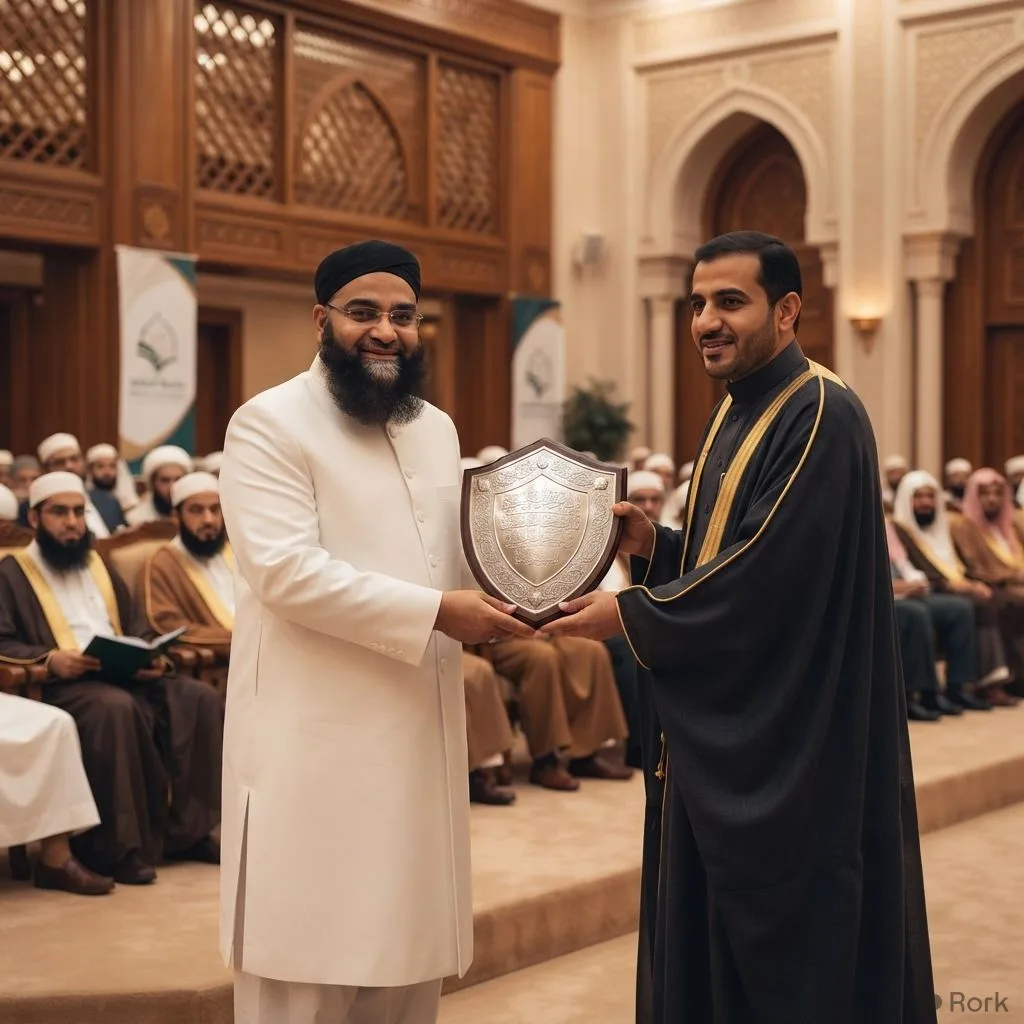
- Allama Tahir Ashrafi was presented with an honorary shield at an international conference organized by the Islamic University of Madinah.
- The accolade acknowledges his lifelong contributions to Islamic scholarship, preaching and community service.
- Scholars and religious leaders from Saudi Arabia and numerous Muslim‑majority nations attended the ceremony, reflecting Riyadh’s drive to foster cross‑regional scholarly dialogue.
- The recognition underscores the rising visibility of South Asian Islamic figures within the global academic and religious landscape, carrying implications for Pakistan’s own religious discourse.
Allama Tahir Ashrafi, a distinguished Pakistani scholar known for his extensive work in Quranic exegesis, Hadith studies and inter‑faith outreach, received the honorary shield during the closing session of the conference held at the Islamic University of Madinah. The university, a leading centre for Islamic learning, convened more than a hundred delegates from the Arab world, South Asia, Africa and Southeast Asia to discuss contemporary challenges facing the Muslim ummah and to showcase Saudi Arabia’s initiatives in promoting moderate, knowledge‑based Islam.
The award ceremony was marked by speeches from senior Saudi officials who highlighted the kingdom’s commitment to strengthening scholarly networks and combating extremist narratives through education and dialogue. In his acceptance address, Allama Ashrafi emphasized the historic bonds between the Arabian Peninsula and South Asian Muslim communities, urging greater collaboration in research, translation projects and the training of future imams. He also lauded the role of Pakistani madrassas that have embraced modern curricula, noting that such reforms could help Pakistan address issues of radicalisation and social cohesion.
For Pakistan, the honour bestowed on Allama Ashrafi carries symbolic weight. It signals recognition of the country’s rich tradition of Islamic scholarship on an international stage and may encourage Pakistani religious institutions to deepen ties with Gulf academies. Analysts suggest that such engagements could facilitate the exchange of resources, joint publication ventures and capacity‑building programmes, thereby reinforcing Pakistan’s position as a pivotal contributor to contemporary Islamic thought.