
What happened?
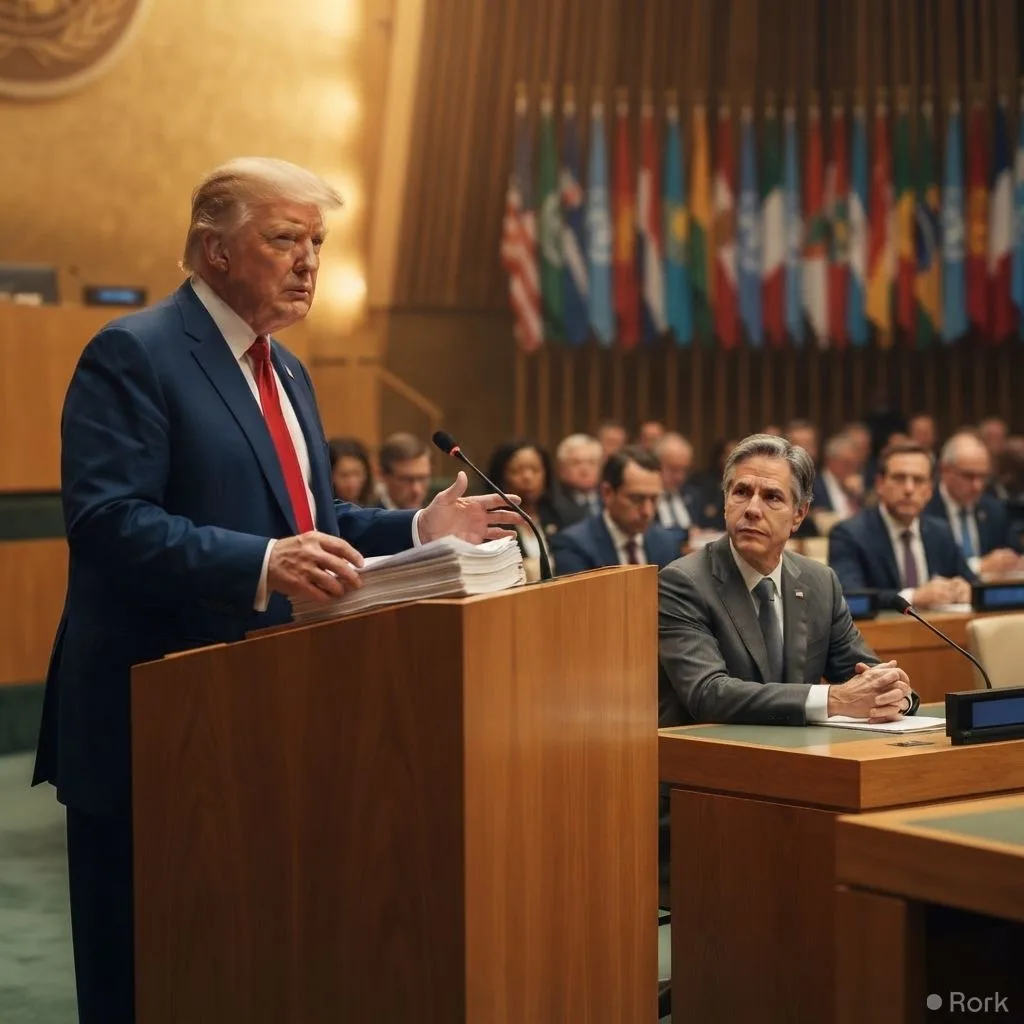
President Donald Trump dismissed Iran’s latest peace proposal but reiterated his willingness to keep indirect diplomatic channels open, signalling that the United States remains ready for further talks. Iran’s foreign minister stayed in New York after the UN General Assembly, indicating Tehran’s intent to continue negotiations despite the rejection.
Why does it matter?
The exchange revives a diplomatic route that has been dormant since the U.S. re‑imposed sanctions and resumed strikes on Iranian sites, raising the risk of a broader regional flare‑up. For Pakistan, a de‑escalation could stabilise oil prices and protect the flow of petroleum products that pass through the Strait of Hormuz, a vital artery for the country’s energy imports.
What are the next steps?
Both sides have agreed to concentrate on an amended version of Iran’s proposal, with U.S. officials saying they will consider revisions that address Washington’s core concerns while Tehran seeks the lifting of the blockade, cessation of strikes, and release of frozen assets. The talks are expected to proceed through back‑channel intermediaries in Geneva and New York over the coming weeks.
How could this affect Pakistan?
A reopening of the Hormuz Strait and the easing of U.S. sanctions would likely lower global crude prices, easing inflationary pressure on Pakistan’s economy, which heavily relies on imported fuel. Moreover, reduced naval tension could safeguard Pakistani merchant vessels that transit the Persian Gulf, ensuring smoother trade routes for the country’s exports and imports.