
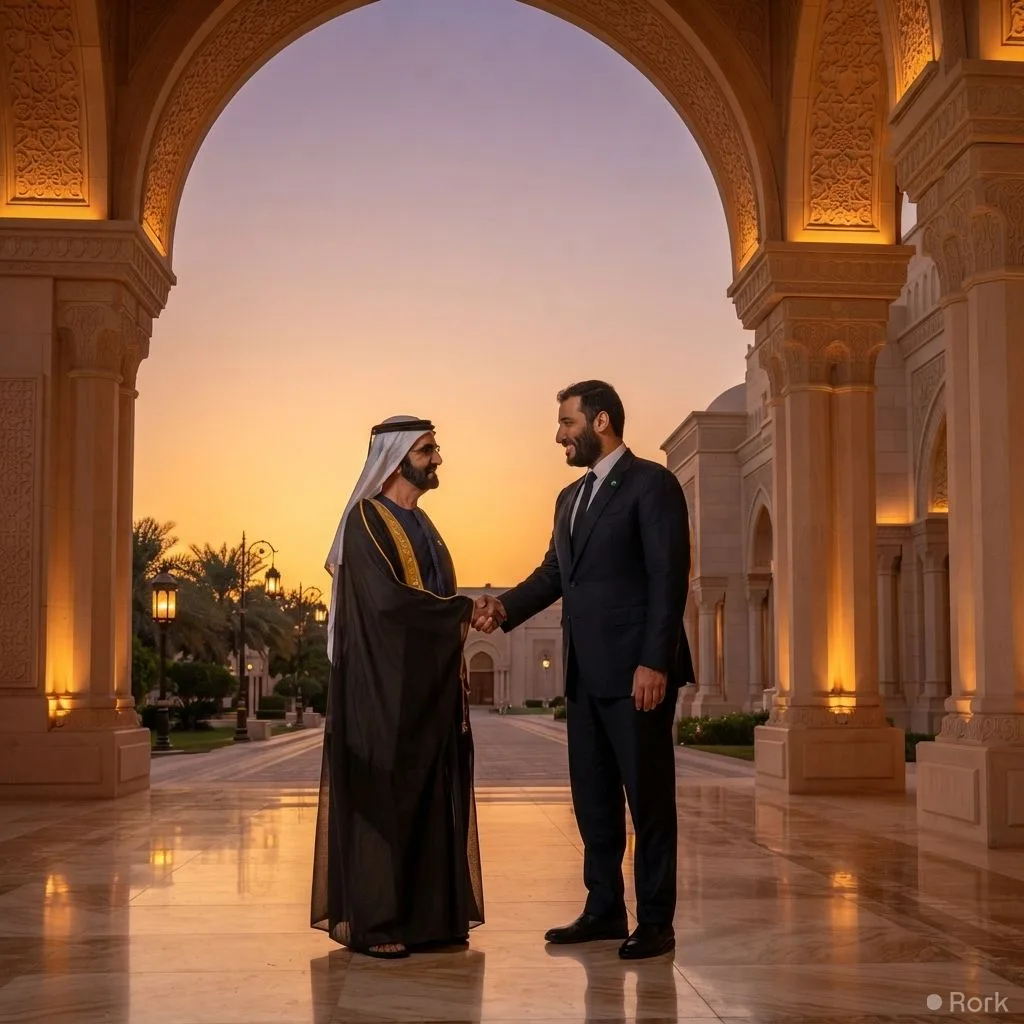
What happened?
Saudi Arabia has extended an invitation to the United Arab Emirates’ Vice President to visit Riyadh for high‑level talks, marking a noticeable softening of the diplomatic chill that followed the two countries’ divergent approaches to the Yemen war.
Why does it matter for the region?
Both capitals share deep economic and security ties, and the meeting signals a pragmatic pivot toward coordinated action against the escalating Houthi missile and drone strikes that have begun to threaten Saudi territory, thereby reshaping the Gulf’s power balance.
What prompted this diplomatic shift?
After months of public disagreements over the conduct of the Yemen campaign, officials from Riyadh and Abu Dhabi began signalling rapprochement in July, while Saudi Arabia simultaneously courted broader international backing—evidenced by recent talks with Turkish and Pakistani military chiefs—to bolster its anti‑Houthi coalition.
What could happen next?
The Riyadh‑Abu Dhabi dialogue is expected to produce joint security arrangements and possibly a unified stance in future peace initiatives for Yemen; for Pakistan, the outcome may translate into greater involvement in Gulf security projects and new avenues for defense cooperation and arms deals.