
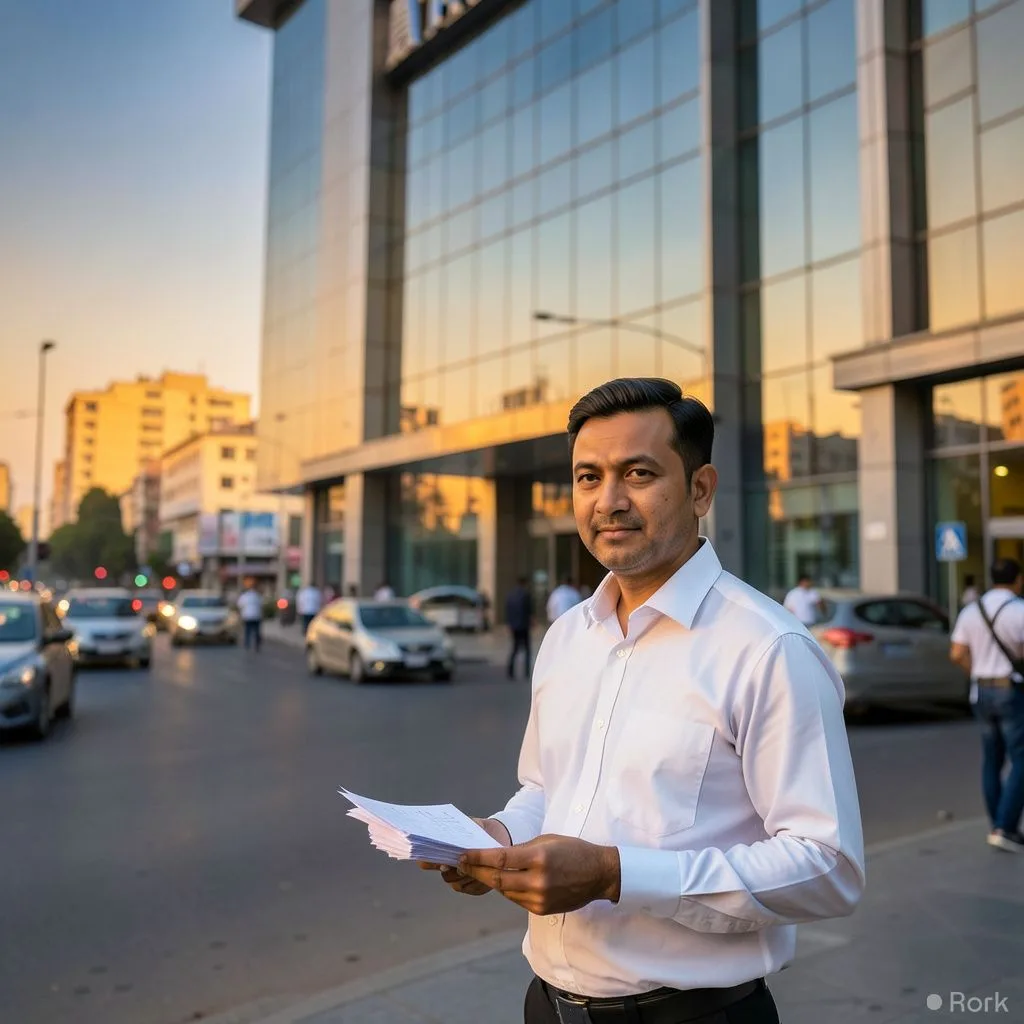
Pakistan’s informal economy, which accounts for a large share of employment and daily transactions in bustling bazaars and roadside stalls, has long been a blind spot for the state’s revenue collection. In an effort to pull these small‑scale traders into the formal tax net, the Federal Board of Revenue (FBR) rolled out a special “Trader’s Tax Scheme” earlier this year, promising simplified filing procedures and reduced compliance burdens.
Against a pledged ambition of registering half a million shopkeepers and market vendors, the board disclosed that only 130 income‑tax returns have been submitted under the scheme so far. The figure is a stark contrast to the 500,000‑business target that policymakers set to broaden the fiscal base and lessen the country’s chronic budget deficits.
Officials attribute the tepid response to a mix of limited awareness, procedural apprehension, and the perception that the benefits of formal registration are too remote for daily‑to‑day traders. Many small enterprises still operate cash‑only, lack proper bookkeeping, and are wary of additional regulatory scrutiny, making the promise of a “one‑stop” filing process insufficient to overcome entrenched habits. Moreover, the outreach campaign that accompanied the scheme has largely relied on digital notices, which fail to reach merchants who depend on word‑of‑mouth and community networks.
In reaction to the shortfall, the FBR has signaled a review of its communication strategy and is exploring additional incentives, such as tax credits for the first filing year and on‑site assistance booths in major market districts. Economic analysts caution that without a more aggressive push, the government’s revenue projections remain vulnerable, potentially squeezing funding for health, education, and infrastructure projects that are already under pressure from rising debt service costs.
The modest uptake underscores a broader challenge for Islamabad: converting a vast, informal sector into a reliable source of tax revenue requires not only simplified forms but also sustained engagement with the traders who form the backbone of Pakistan’s daily commerce.