
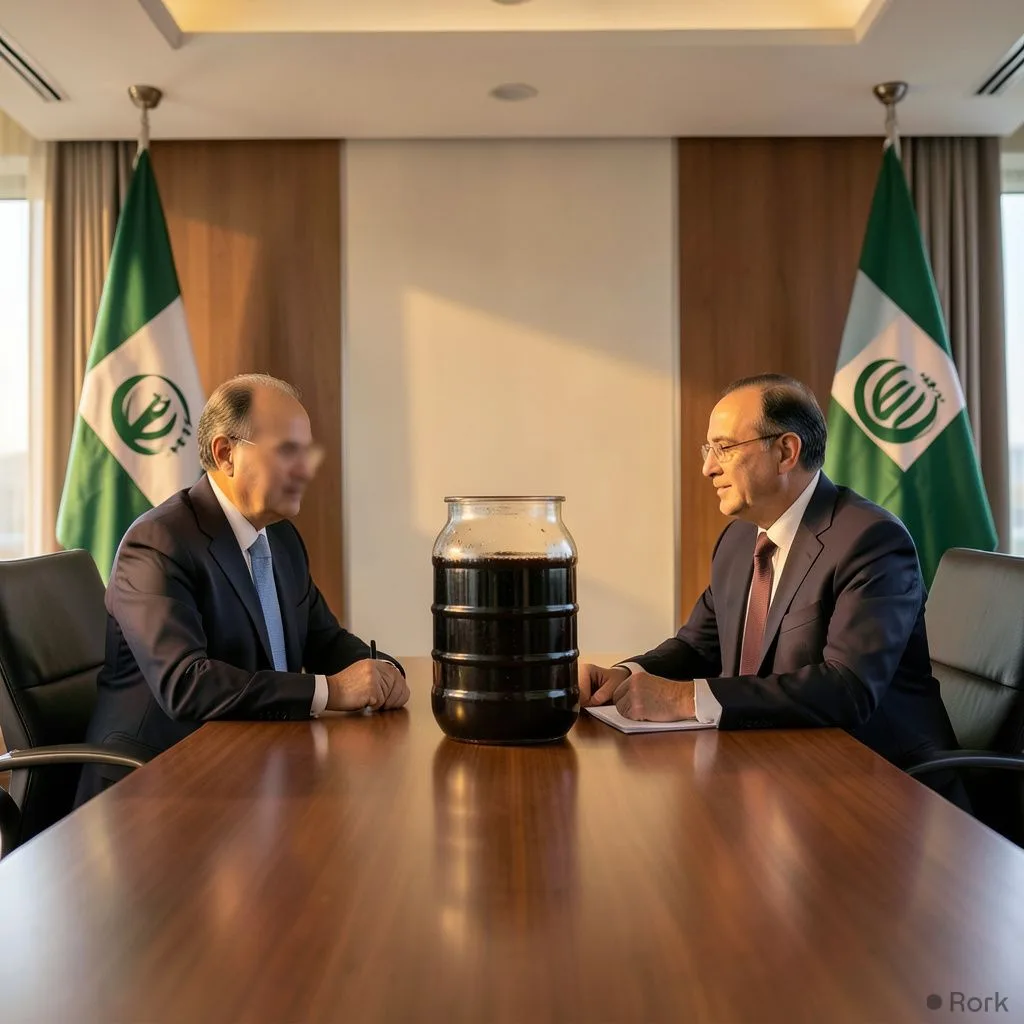
Pakistan’s finance ministry has formally requested a US $6.7 billion oil‑financing facility from Saudi Arabia that would be spread over a 15‑year period, aiming to ease the country’s immediate external financing needs and shield its dwindling foreign‑exchange reserves.
Finance Minister Muhammad Aurangzeb presented the proposal in a statement on Friday, saying the long‑term credit line would provide a stable source of funds for oil imports while giving the government breathing space to manage the balance‑of‑payments pressures that have tightened since the start of the fiscal year. He also hinted that the arrangement could revive a previously deferred oil‑payment schedule that had been put on hold amid the current liquidity crunch.
The request comes as Pakistan grapples with a sharp depreciation of the rupee and a widening current‑account gap, partly driven by soaring global oil prices and a surge in domestic demand for fuel. Analysts note that the country’s foreign‑exchange reserves have fallen below the 2‑month import cover threshold, prompting policymakers to seek alternative financing channels beyond traditional IMF disbursements and bilateral loans.
Saudi Arabia, a longstanding strategic partner, has in recent years extended a range of financial supports to Pakistan, including sukuk issuances and a $5 billion credit line for infrastructure projects. If the oil‑financing facility is approved, it could deepen the monetary ties between the two nations and potentially pave the way for further cooperation in the energy sector, such as joint investments in refinery upgrades or renewable‑energy projects.
Domestically, the infusion of funds is expected to ease pressure on the government’s budgetary allocations for fuel subsidies, which have been a major driver of fiscal deficits. A more predictable supply of foreign currency for oil purchases could also help contain inflationary spikes in transport and food prices, offering relief to consumers who have been hit hard by the recent cost‑of‑living surge.
The proposal still requires negotiation on terms, including interest rates, repayment schedules and any attached conditions related to governance or oil‑price hedging. Should the two sides reach an agreement, the facility would likely be disbursed in tranches tied to Pakistan’s oil import schedule, providing a steady liquidity buffer that could stabilize the economy while broader structural reforms are pursued.