
Key points
- Tehran has intensified attacks on commercial vessels in the Gulf and Red Sea, aiming to keep global oil prices elevated ahead of the U.S. mid‑term elections.
- Iranian officials liken the campaign to a “game of chess,” using maritime spotters to select targets while claiming the strategy creates market uncertainty.
- U.S. intelligence acknowledges the use of spotters but says the assaults have not stopped the overall rise in Iranian oil exports.
- The maneuver could raise freight costs and fuel prices for Pakistan, which relies heavily on imported crude and marine transport for its energy needs.
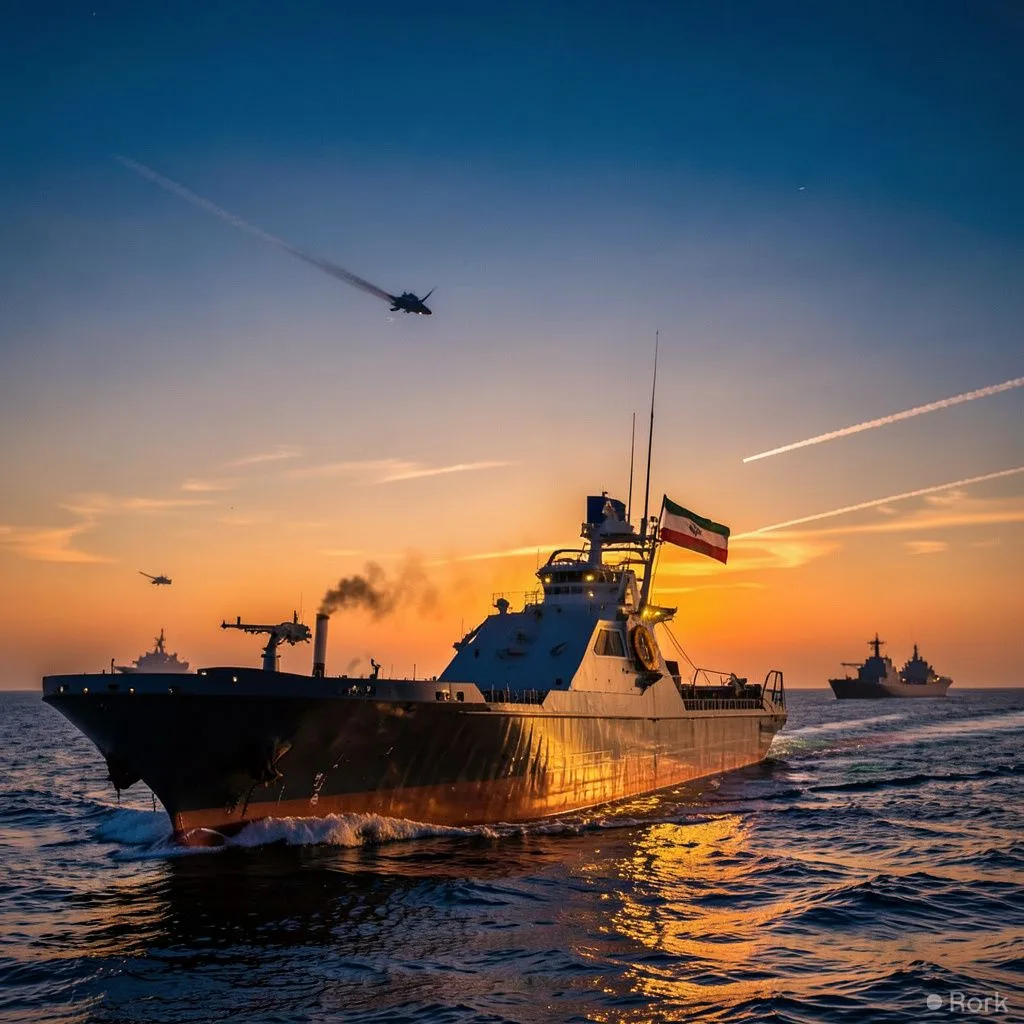
In recent weeks, Iranian forces have stepped up assaults on merchant ships traversing key shipping lanes, a move Tehran describes as a calculated effort to sustain high oil prices before November’s U.S. congressional vote. The attacks, coordinated through a network of maritime observers, are intended to signal Tehran’s ability to disrupt global energy flows, thereby pressuring markets to maintain elevated price levels.
U.S. officials confirm that Iranian spotters are actively identifying vessels for potential strikes, but they stress that the surge in attacks has not impeded Iran’s broader plan to increase crude exports. Despite the heightened threat environment, oil shipments from Iran have continued to climb, suggesting that the strategy is more about market perception than outright supply denial.
Analysts warn that the timing of the campaign aligns with Tehran’s broader geopolitical calculus: higher oil prices can generate revenue for the regime while also sowing economic discomfort in rival nations. For Pakistan, a country that imports roughly 70 % of its oil requirements and depends on maritime routes through the Arabian Sea, any sustained price hike translates into higher fuel costs for transport, industry and consumers, potentially straining an already fragile economy.
Shipping companies operating in the region have begun rerouting vessels and increasing insurance premiums, a trend that could further inflate freight charges. Pakistani exporters, particularly those in the textile and agricultural sectors that rely on timely sea‑borne logistics, may face tighter margins if the volatility persists through the election season and beyond.