
Winter’s chill is already prompting a surge in household heating needs, while lingering constraints on domestic gas have kept power plants on edge. Over the past weeks, intermittent supply hiccups have forced utilities to curtail output, sparking concerns over rolling blackouts as temperatures dip.
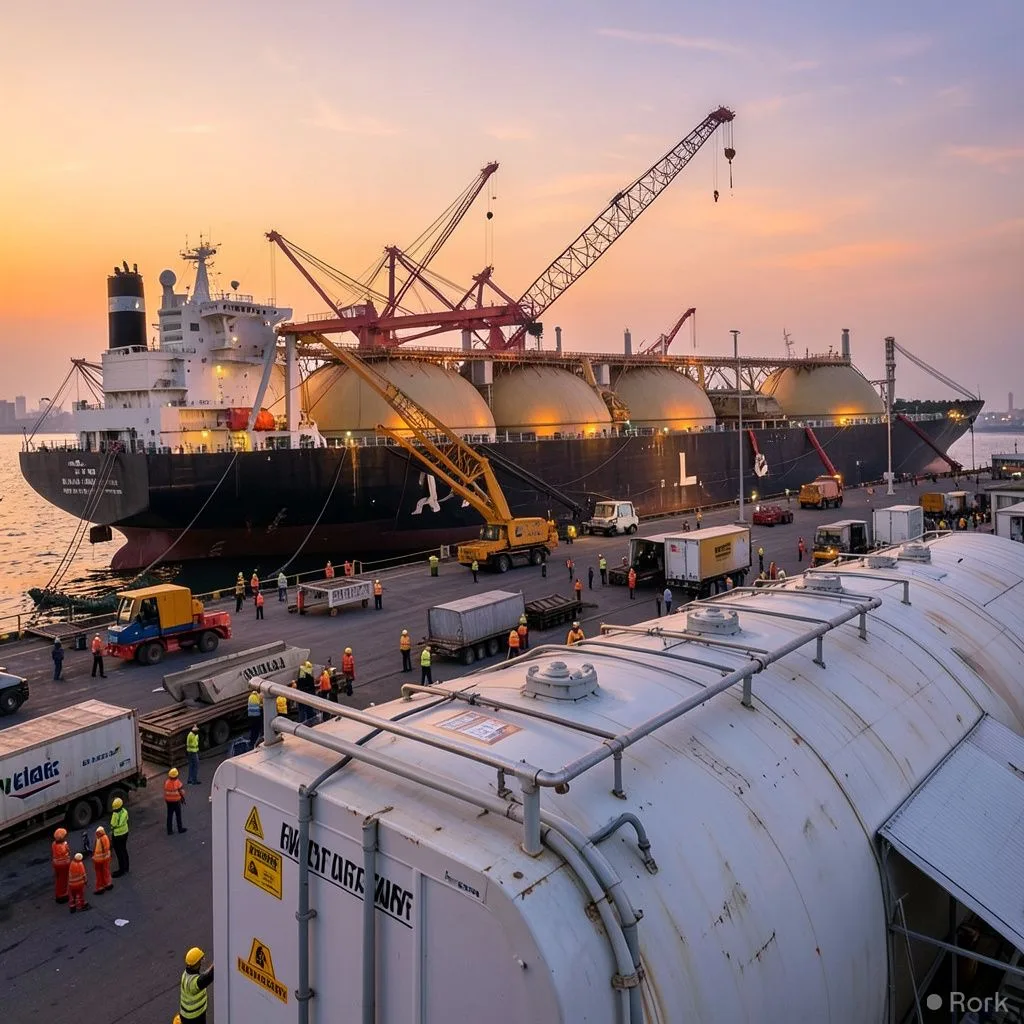
Breaking through the bottleneck, the first LNG cargo for October docked at Karachi’s deep‑water terminal on Tuesday, delivering a fresh tranche of liquefied natural gas into Pakistan’s strained supply chain. The shipment, valued at several hundred million dollars, is expected to replenish storage facilities that have been running at historically low levels.
Energy officials disclosed that, beyond this initial arrival, two additional cargoes are being negotiated for the same month. Together, the three shipments are projected to cover the steep rise in gas consumption projected for the upcoming winter season and to stabilise electricity generation at a time when demand spikes are most acute.
The delivery underscores Islamabad’s broader push to diversify the country’s energy mix after years of reliance on dwindling indigenous gas fields. By securing spot‑market LNG contracts, the government aims to insulate the national grid from further disruptions and to signal to investors that the power sector is taking proactive steps to meet seasonal demand.
For consumers and industry alike, the timely influx of LNG promises a reprieve from the rolling load‑shedding that has plagued several provinces in recent months. If the anticipated cargoes arrive as planned, the grid should retain enough flexibility to keep lights on and factories running throughout the colder months, while policymakers continue to evaluate longer‑term solutions for a more resilient energy future.